Effective Sales Training Methods & Techniques (Feb 2026)
Effective Sales Training Methods & Techniques (Feb 2026)
Master sales training methods and techniques that drive results. Learn 7 proven strategies to boost team performance and close more deals. February 2026.
Your reps are missing quota, but the real problem is fuzzy. Is it weak discovery, shaky objection handling, or a process that changes from deal to deal? Effective sales training methods work when they pinpoint where each rep breaks down and deliver focused practice inside the workday they already have. New approaches, including modern learning tools like this resource, make it possible to coach reps at the exact moment skills slip, without pulling them into another generic workshop or losing a full week of selling time.
TLDR:
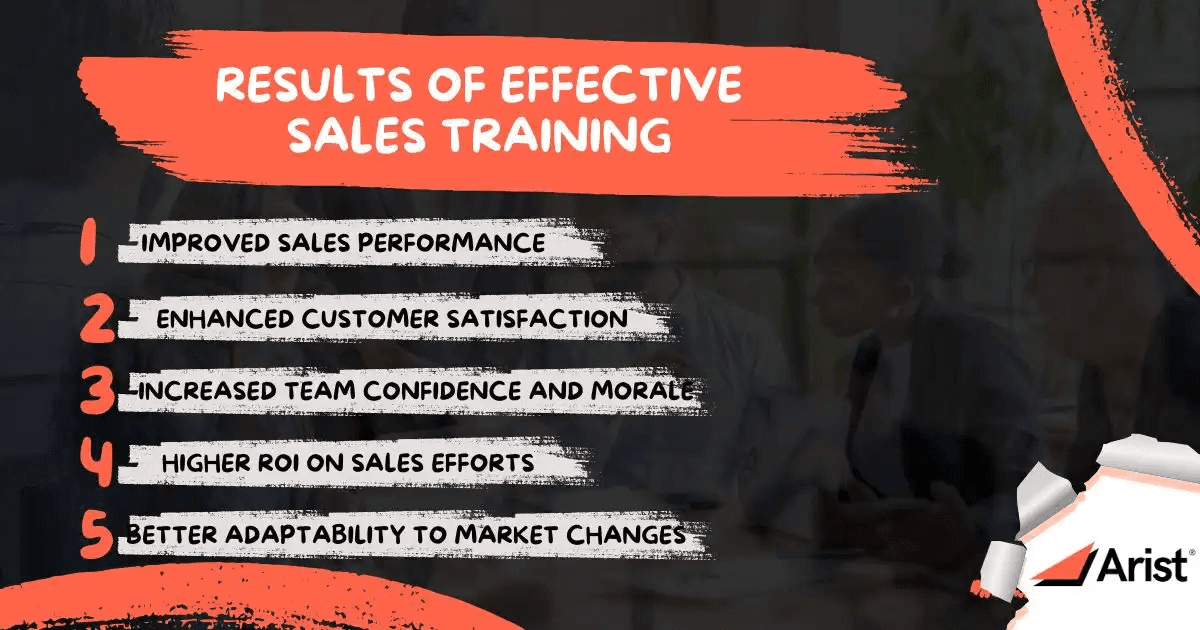
Sales training delivers $4.53 per dollar spent when you target real skill gaps in your team.
Microlearning achieves 80% completion versus 20% for traditional courses.
Reps with deep product knowledge close deals faster by answering buyer questions confidently and reducing friction in the sales process.
Teams with formal coaching programs see 28% higher win rates and 25-40% larger pipelines.
Some modern solutions deliver AI-powered microlearning through SMS, Teams, and Slack with completion rates well above traditional sales training programs.
Assess Your Team's Skills to Identify Training Gaps
Before investing in training, pinpoint where your team actually struggles. Analyze CRM data to find deal stages with high drop-off rates and quota misses. Review win/loss analysis and buyer feedback for patterns.
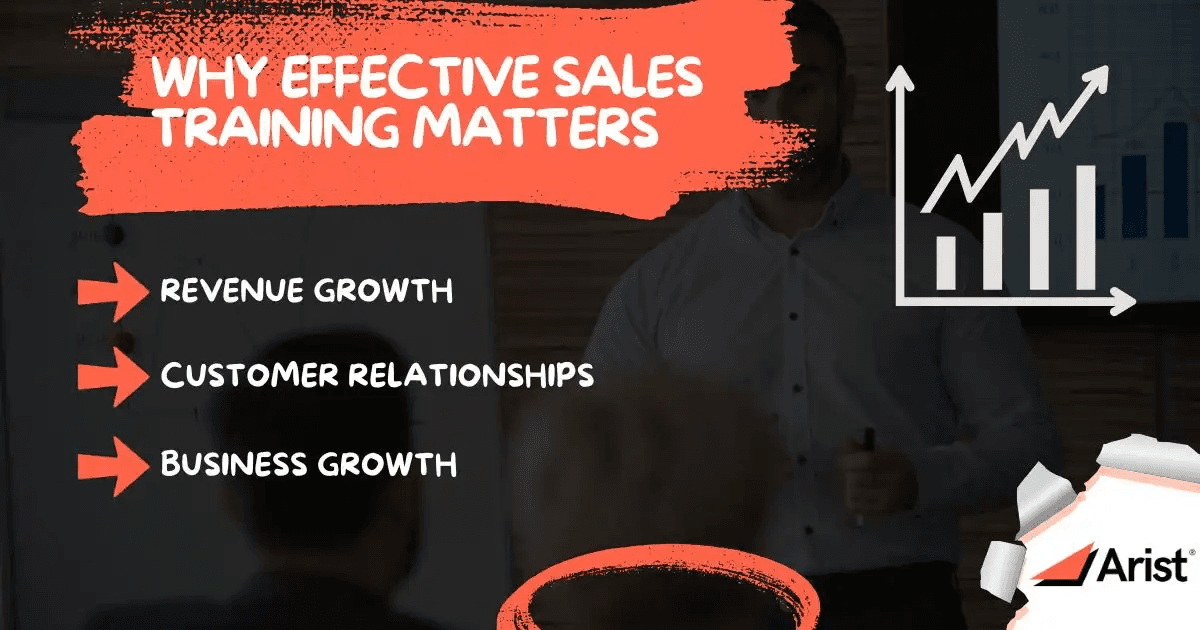
Sales training can generate $4.53 for every dollar spent when you target real gaps. The biggest seller skill gaps are using tech effectively and following consistent sales processes.
Have managers shadow calls and run skills assessments on objection handling and product knowledge.
Build Product Knowledge That Drives Buyer Confidence
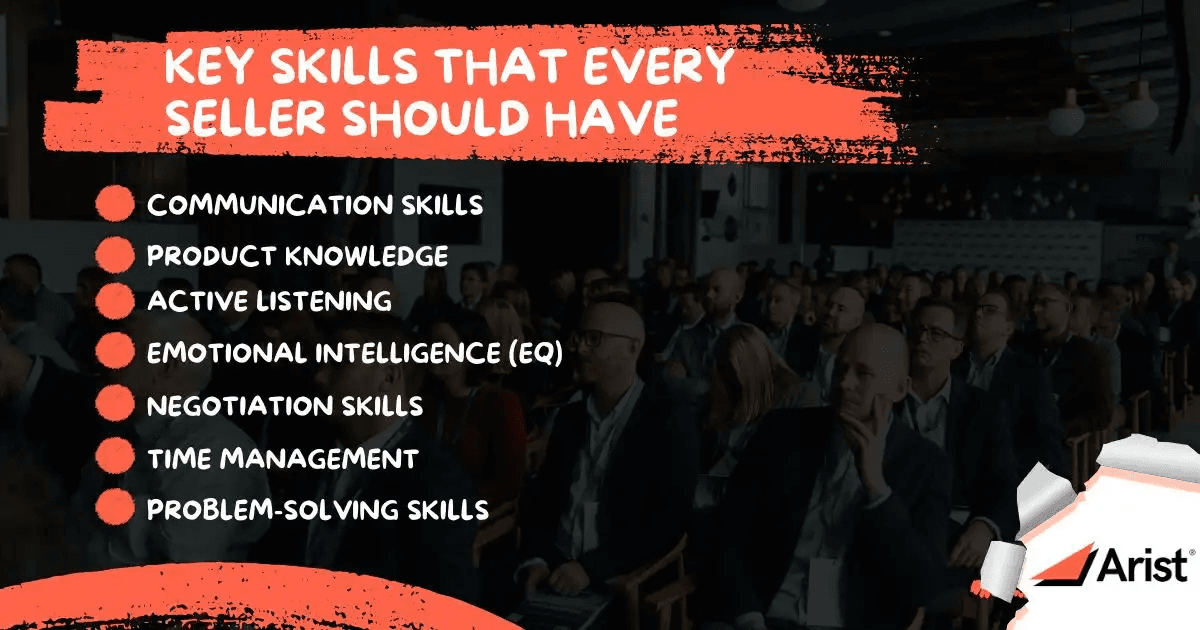
Sellers with deep product knowledge close deals considerably faster, answering questions confidently and positioning solutions with authority. Build a knowledge base with use cases, demo videos, and battle cards. Run weekly deep dives on product areas and new releases, then quiz reps on buyer scenarios to test their recall.
Deliver Bite-Sized Microlearning in the Flow of Work
Sales reps lack hours for training. Microlearning delivers 3-5 minute lessons during downtime between calls or in morning huddles. Deliver lessons through Teams, Slack, or SMS so reps learn in the flow of work without logging into separate apps. Microlearning courses achieve 80% completion versus 20% for traditional modules, and continuous training boosts net sales per employee by 50%.
Practice Real Scenarios through Role-Playing Exercises
Role-playing turns theoretical knowledge into real selling skills. Pair reps to simulate buyer objections, pricing negotiations, and closing scenarios. Reps learn about their gaps in real-time when they stumble over an objection or miss a buying signal. Record sessions and review them as a team to spot coaching opportunities.
Train Active Listening and Discovery Skills
Active listening separates top performers from the rest. Train reps to pause before responding, repeat back what buyers say, and confirm understanding. Open-ended questions starting with "what," "how," or "tell me about" reveal root causes and budget priorities. On video calls, pay attention to facial expressions and body language that signal hidden concerns.
Implement Continuous Coaching and Feedback Loops
One-time training fades without regular reinforcement. Schedule weekly one-on-ones where managers review recent calls, dissect lost deals, and identify behaviors to improve. Deal reviews turn theory into action by walking through live opportunities to spot gaps. Teams with formal coaching programs see 28% higher win rates, with coaching boosting deal size and pipeline by 25-40%.
Develop Your Sales Managers as Performance Coaches
Sales managers decide whether training actually works or disappears. Train them to ask "What would you do differently?" during one-on-ones instead of "Why did you lose that deal?" Give managers call scorecards tracking discovery quality and objection handling. Each manager influences 8-12 reps, multiplying training ROI beyond any single program.
Customize Training to Team Roles and Responsibilities
SDRs need objection handling scripts, while account executives need negotiation tactics and closing strategies. New hires require foundational product training, but veterans benefit from advanced competitive positioning. Segment training by customer type: enterprise reps face procurement processes, while SMB sellers need rapid qualification skills. Customize content so each rep learns what they'll use in their next buyer conversation.
Blend Virtual and In-Person Training Delivery
Match training format to learning goals. Use self-paced e-learning for product specs and policies reps absorb independently. Reserve live workshops for skills like objection handling and negotiation where real-time feedback matters.
Sequence hybrid models with virtual pre-work, live practice sessions, then virtual reinforcement. This cuts in-person time considerably while preserving skill transfer.
Build Consistent Sales Process Adherence
Sales methodologies like MEDDIC or BANT give reps a shared framework for qualifying deals. Train your team to identify metrics, economic buyers, decision criteria, and timelines at each stage. When reps follow the same process, managers can spot stalled deals and coach to specific gaps. Consistent qualification criteria produce more reliable forecasts and help leaders allocate resources to winnable opportunities.
Train Emotional Intelligence and Adaptability
B2B buyers assess sellers as much as solutions. Emotional intelligence helps reps recognize when a buyer feels skeptical versus engaged, then adjust mid-conversation. Train teams to spot stress signals like crossed arms, then respond with empathy. Practice pitch adjustments based on buyer personas: technical evaluators want specs, executives want business outcomes. Reps who flex their style handle multi-stakeholder deals more smoothly.
Using AI Tools to Personalize Learning Paths
AI analyzes available performance data such as deal outcomes and assessment scores to pinpoint skill gaps for each rep. When a rep logs a lost deal citing pricing objections, AI can trigger a micro-lesson on value articulation that same afternoon, closing gaps immediately instead of waiting for quarterly training cycles.
Measure Training Effectiveness with Business Metrics
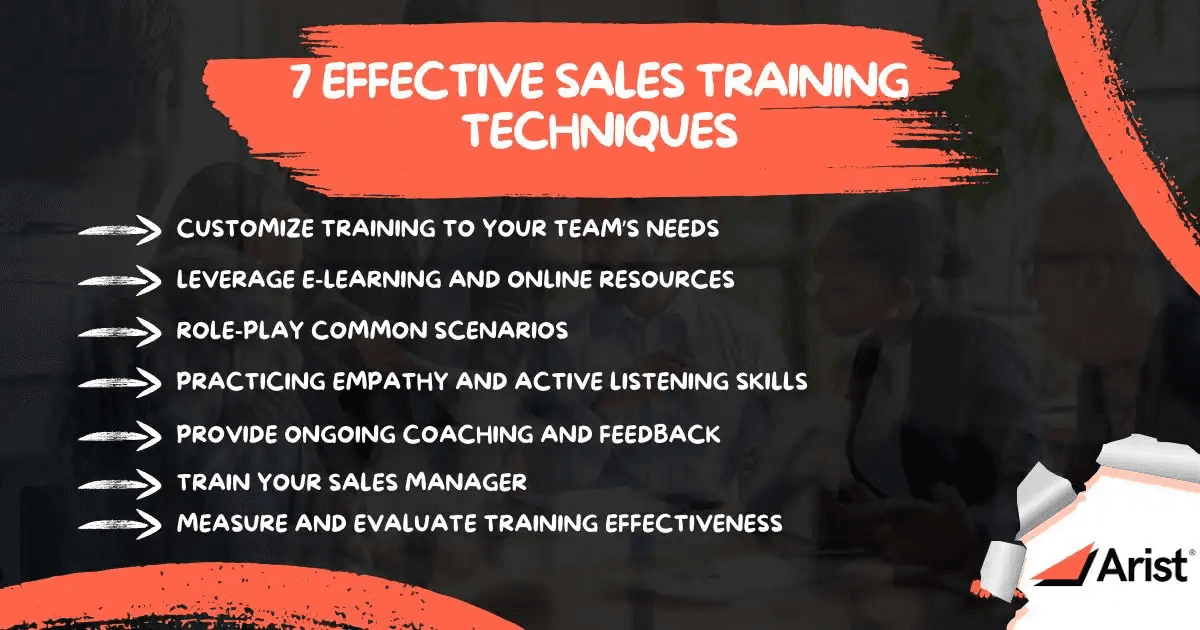
Track call volume, email response rates, and discovery call duration before and after training. If objection handling sessions don't improve booking rates, the content needs work.
Compare win rates, deal size, and sales cycle length for trained versus untrained reps. If trained sellers close 15% faster or win 10% more often, you've proven ROI.
Metric | What to Track | Success Indicator | Measurement Frequency |
|---|---|---|---|
Win Rate | Percentage of opportunities won by trained reps versus untrained reps across the same period | 10-28% improvement in win rates for coached teams with formal programs | Monthly comparison by cohort |
Sales Cycle Length | Average days from opportunity creation to close for trained versus untrained sellers | 15% faster close time indicates training improved qualification and objection handling | Quarterly rolling average |
Deal Size | Average contract value comparing trained reps to baseline or control group | 25-40% larger pipeline and deal values for teams with ongoing coaching | Monthly by rep and team |
Discovery Call Quality | Call duration, number of open-ended questions asked, and buyer engagement scores from recorded calls | Longer discovery calls with more buyer talk time and confirmed next steps | Weekly call reviews |
Objection Handling | Booking rate after common objections, progression rate past objection stage in pipeline | Improved conversion at objection-heavy stages like pricing discussions or competitive evaluations | Bi-weekly pipeline review |
Training Completion | Percentage of assigned microlearning modules completed within target timeframe | 80% completion rate for microlearning versus 20% for traditional long-form courses | Real-time tracking via learning platform |
Buyer Feedback | Post-sale surveys rating seller product knowledge, responsiveness, and solution fit | Higher ratings on product expertise and consultative approach for trained reps | After each closed deal |
Survey buyers post-sale about seller effectiveness to see if training improved real conversations.
Create Spaced Reinforcement and Knowledge Checks
Reps forget 70% of new information within 24 hours without reinforcement. Spaced repetition revisits concepts at increasing intervals: three days after training, then one week later, then two weeks out. Send quick two-question quizzes through messaging apps or drop scenario reviews into team channels where reps analyze real deals using taught frameworks.
Turn Training into Revenue with AI-Powered Microlearning
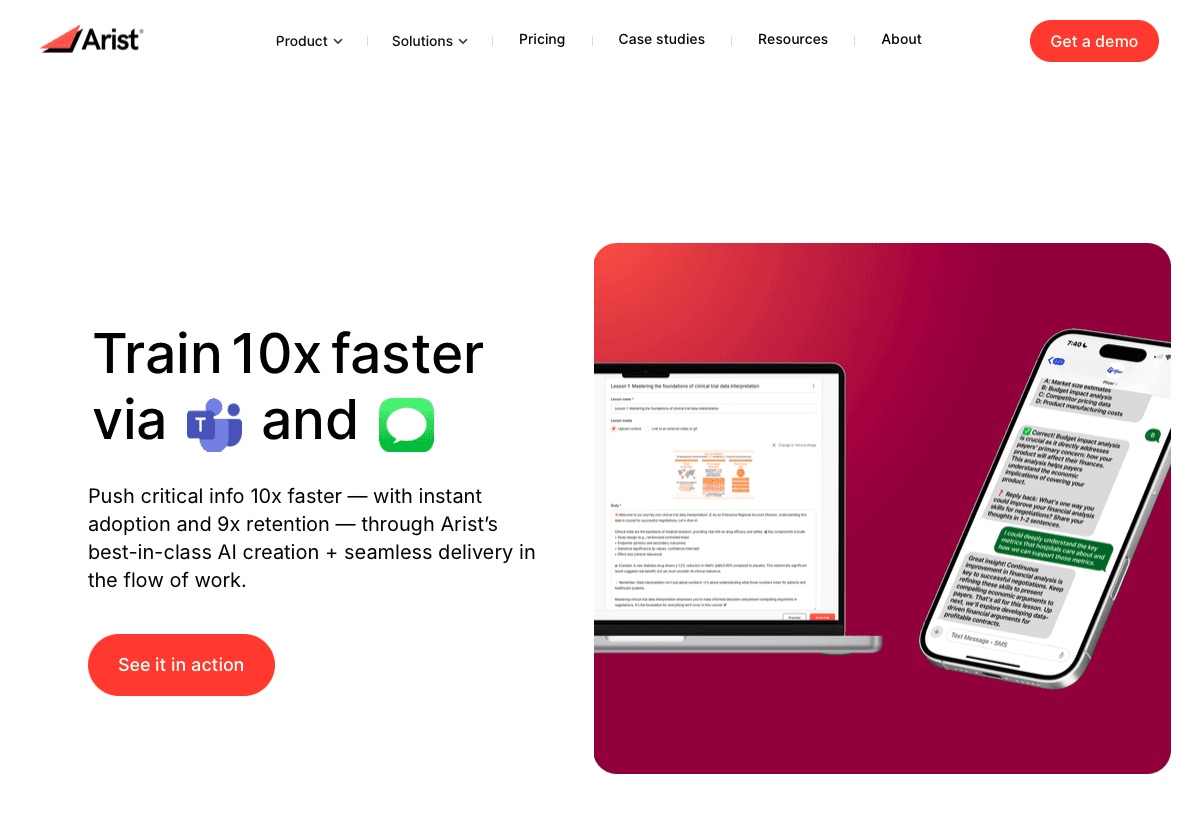
Arist connects modern sales training techniques directly to revenue outcomes by delivering learning inside the tools reps already use every day. Instead of pulling sellers into portals or long courses, Arist sends short, focused lessons through SMS, Teams, Slack, or WhatsApp, so skill development happens between calls, before meetings, or right after deals stall. This approach fits naturally into sales workflows, helping enablement teams reinforce discovery, objection handling, and product messaging without slowing pipeline activity.
Behind the scenes, Arist uses AI agents to handle the heavy lifting that usually stalls training programs. The system reviews organizational data, analyzes performance patterns, and identifies skill gaps at the rep, role, or region level. From there, it automatically creates and delivers targeted scenarios, quizzes, and reinforcement based on what each seller needs next. As reps engage, Arist adjusts pacing and follow-ups, keeping learning relevant while tying progress back to deal stages, win rates, and quota movement.
This model is why large sales organizations see completion rates well above traditional training and clear links between learning and results. Enterprise teams use Arist to roll out product launches, reinforce competitive messaging, and keep distributed sellers field-ready with minimal manager overhead. With real-time analytics connecting training activity to sales outcomes, Arist turns microlearning from a nice-to-have into a system that directly supports revenue growth.
FAQs
How long does it take to see results from sales training?
Teams typically see measurable improvements in win rates and deal velocity within 4-6 weeks when training includes weekly reinforcement and coaching. Without ongoing practice and feedback loops, retention drops 70% within 24 hours.
What's the best way to train a distributed sales team?
Deliver microlearning through Teams, Slack, or SMS so reps learn during downtime without logging into separate systems. Combine self-paced content for product knowledge with live virtual sessions for skills like objection handling that need real-time feedback.
How do I know which sales skills my team needs to improve?
Analyze your CRM data to find deal stages with high drop-off rates, review win/loss patterns, and have managers shadow calls. Skills assessments and buyer feedback reveal the biggest gaps in objection handling, product knowledge, and discovery questions.
What makes sales training actually stick?
Spaced repetition beats one-time workshops. Revisit concepts three days after training, then one week later, then two weeks out. Pair this with weekly coaching sessions where managers review live calls and deals to turn theory into action.
Can microlearning really replace longer training sessions?
Microlearning works best for knowledge retention and reinforcement, achieving 80% completion versus 20% for traditional modules. Reserve longer live sessions for complex skills like negotiation that require practice and immediate feedback, then reinforce with bite-sized lessons.
Final Thoughts on Training Techniques That Actually Stick
Effective sales training methods stick when learning shows up where selling already happens and Arist is built for exactly that reality. By pairing short, targeted lessons with manager-led coaching and real deal practice, teams build habits that show up on live calls instead of fading after training day. Tools like Arist allow leaders to connect skill development directly to pipeline movement, win rates, and deal velocity, so training stops being a cost center and starts proving its value in revenue results.
Your reps are missing quota, but the real problem is fuzzy. Is it weak discovery, shaky objection handling, or a process that changes from deal to deal? Effective sales training methods work when they pinpoint where each rep breaks down and deliver focused practice inside the workday they already have. New approaches, including modern learning tools like this resource, make it possible to coach reps at the exact moment skills slip, without pulling them into another generic workshop or losing a full week of selling time.
TLDR:
Sales training delivers $4.53 per dollar spent when you target real skill gaps in your team.
Microlearning achieves 80% completion versus 20% for traditional courses.
Reps with deep product knowledge close deals faster by answering buyer questions confidently and reducing friction in the sales process.
Teams with formal coaching programs see 28% higher win rates and 25-40% larger pipelines.
Some modern solutions deliver AI-powered microlearning through SMS, Teams, and Slack with completion rates well above traditional sales training programs.
Assess Your Team's Skills to Identify Training Gaps
Before investing in training, pinpoint where your team actually struggles. Analyze CRM data to find deal stages with high drop-off rates and quota misses. Review win/loss analysis and buyer feedback for patterns.
Sales training can generate $4.53 for every dollar spent when you target real gaps. The biggest seller skill gaps are using tech effectively and following consistent sales processes.
Have managers shadow calls and run skills assessments on objection handling and product knowledge.
Build Product Knowledge That Drives Buyer Confidence
Sellers with deep product knowledge close deals considerably faster, answering questions confidently and positioning solutions with authority. Build a knowledge base with use cases, demo videos, and battle cards. Run weekly deep dives on product areas and new releases, then quiz reps on buyer scenarios to test their recall.
Deliver Bite-Sized Microlearning in the Flow of Work
Sales reps lack hours for training. Microlearning delivers 3-5 minute lessons during downtime between calls or in morning huddles. Deliver lessons through Teams, Slack, or SMS so reps learn in the flow of work without logging into separate apps. Microlearning courses achieve 80% completion versus 20% for traditional modules, and continuous training boosts net sales per employee by 50%.
Practice Real Scenarios through Role-Playing Exercises
Role-playing turns theoretical knowledge into real selling skills. Pair reps to simulate buyer objections, pricing negotiations, and closing scenarios. Reps learn about their gaps in real-time when they stumble over an objection or miss a buying signal. Record sessions and review them as a team to spot coaching opportunities.
Train Active Listening and Discovery Skills
Active listening separates top performers from the rest. Train reps to pause before responding, repeat back what buyers say, and confirm understanding. Open-ended questions starting with "what," "how," or "tell me about" reveal root causes and budget priorities. On video calls, pay attention to facial expressions and body language that signal hidden concerns.
Implement Continuous Coaching and Feedback Loops
One-time training fades without regular reinforcement. Schedule weekly one-on-ones where managers review recent calls, dissect lost deals, and identify behaviors to improve. Deal reviews turn theory into action by walking through live opportunities to spot gaps. Teams with formal coaching programs see 28% higher win rates, with coaching boosting deal size and pipeline by 25-40%.
Develop Your Sales Managers as Performance Coaches
Sales managers decide whether training actually works or disappears. Train them to ask "What would you do differently?" during one-on-ones instead of "Why did you lose that deal?" Give managers call scorecards tracking discovery quality and objection handling. Each manager influences 8-12 reps, multiplying training ROI beyond any single program.
Customize Training to Team Roles and Responsibilities
SDRs need objection handling scripts, while account executives need negotiation tactics and closing strategies. New hires require foundational product training, but veterans benefit from advanced competitive positioning. Segment training by customer type: enterprise reps face procurement processes, while SMB sellers need rapid qualification skills. Customize content so each rep learns what they'll use in their next buyer conversation.
Blend Virtual and In-Person Training Delivery
Match training format to learning goals. Use self-paced e-learning for product specs and policies reps absorb independently. Reserve live workshops for skills like objection handling and negotiation where real-time feedback matters.
Sequence hybrid models with virtual pre-work, live practice sessions, then virtual reinforcement. This cuts in-person time considerably while preserving skill transfer.
Build Consistent Sales Process Adherence
Sales methodologies like MEDDIC or BANT give reps a shared framework for qualifying deals. Train your team to identify metrics, economic buyers, decision criteria, and timelines at each stage. When reps follow the same process, managers can spot stalled deals and coach to specific gaps. Consistent qualification criteria produce more reliable forecasts and help leaders allocate resources to winnable opportunities.
Train Emotional Intelligence and Adaptability
B2B buyers assess sellers as much as solutions. Emotional intelligence helps reps recognize when a buyer feels skeptical versus engaged, then adjust mid-conversation. Train teams to spot stress signals like crossed arms, then respond with empathy. Practice pitch adjustments based on buyer personas: technical evaluators want specs, executives want business outcomes. Reps who flex their style handle multi-stakeholder deals more smoothly.
Using AI Tools to Personalize Learning Paths
AI analyzes available performance data such as deal outcomes and assessment scores to pinpoint skill gaps for each rep. When a rep logs a lost deal citing pricing objections, AI can trigger a micro-lesson on value articulation that same afternoon, closing gaps immediately instead of waiting for quarterly training cycles.
Measure Training Effectiveness with Business Metrics
Track call volume, email response rates, and discovery call duration before and after training. If objection handling sessions don't improve booking rates, the content needs work.
Compare win rates, deal size, and sales cycle length for trained versus untrained reps. If trained sellers close 15% faster or win 10% more often, you've proven ROI.
Metric | What to Track | Success Indicator | Measurement Frequency |
|---|---|---|---|
Win Rate | Percentage of opportunities won by trained reps versus untrained reps across the same period | 10-28% improvement in win rates for coached teams with formal programs | Monthly comparison by cohort |
Sales Cycle Length | Average days from opportunity creation to close for trained versus untrained sellers | 15% faster close time indicates training improved qualification and objection handling | Quarterly rolling average |
Deal Size | Average contract value comparing trained reps to baseline or control group | 25-40% larger pipeline and deal values for teams with ongoing coaching | Monthly by rep and team |
Discovery Call Quality | Call duration, number of open-ended questions asked, and buyer engagement scores from recorded calls | Longer discovery calls with more buyer talk time and confirmed next steps | Weekly call reviews |
Objection Handling | Booking rate after common objections, progression rate past objection stage in pipeline | Improved conversion at objection-heavy stages like pricing discussions or competitive evaluations | Bi-weekly pipeline review |
Training Completion | Percentage of assigned microlearning modules completed within target timeframe | 80% completion rate for microlearning versus 20% for traditional long-form courses | Real-time tracking via learning platform |
Buyer Feedback | Post-sale surveys rating seller product knowledge, responsiveness, and solution fit | Higher ratings on product expertise and consultative approach for trained reps | After each closed deal |
Survey buyers post-sale about seller effectiveness to see if training improved real conversations.
Create Spaced Reinforcement and Knowledge Checks
Reps forget 70% of new information within 24 hours without reinforcement. Spaced repetition revisits concepts at increasing intervals: three days after training, then one week later, then two weeks out. Send quick two-question quizzes through messaging apps or drop scenario reviews into team channels where reps analyze real deals using taught frameworks.
Turn Training into Revenue with AI-Powered Microlearning
Arist connects modern sales training techniques directly to revenue outcomes by delivering learning inside the tools reps already use every day. Instead of pulling sellers into portals or long courses, Arist sends short, focused lessons through SMS, Teams, Slack, or WhatsApp, so skill development happens between calls, before meetings, or right after deals stall. This approach fits naturally into sales workflows, helping enablement teams reinforce discovery, objection handling, and product messaging without slowing pipeline activity.
Behind the scenes, Arist uses AI agents to handle the heavy lifting that usually stalls training programs. The system reviews organizational data, analyzes performance patterns, and identifies skill gaps at the rep, role, or region level. From there, it automatically creates and delivers targeted scenarios, quizzes, and reinforcement based on what each seller needs next. As reps engage, Arist adjusts pacing and follow-ups, keeping learning relevant while tying progress back to deal stages, win rates, and quota movement.
This model is why large sales organizations see completion rates well above traditional training and clear links between learning and results. Enterprise teams use Arist to roll out product launches, reinforce competitive messaging, and keep distributed sellers field-ready with minimal manager overhead. With real-time analytics connecting training activity to sales outcomes, Arist turns microlearning from a nice-to-have into a system that directly supports revenue growth.
FAQs
How long does it take to see results from sales training?
Teams typically see measurable improvements in win rates and deal velocity within 4-6 weeks when training includes weekly reinforcement and coaching. Without ongoing practice and feedback loops, retention drops 70% within 24 hours.
What's the best way to train a distributed sales team?
Deliver microlearning through Teams, Slack, or SMS so reps learn during downtime without logging into separate systems. Combine self-paced content for product knowledge with live virtual sessions for skills like objection handling that need real-time feedback.
How do I know which sales skills my team needs to improve?
Analyze your CRM data to find deal stages with high drop-off rates, review win/loss patterns, and have managers shadow calls. Skills assessments and buyer feedback reveal the biggest gaps in objection handling, product knowledge, and discovery questions.
What makes sales training actually stick?
Spaced repetition beats one-time workshops. Revisit concepts three days after training, then one week later, then two weeks out. Pair this with weekly coaching sessions where managers review live calls and deals to turn theory into action.
Can microlearning really replace longer training sessions?
Microlearning works best for knowledge retention and reinforcement, achieving 80% completion versus 20% for traditional modules. Reserve longer live sessions for complex skills like negotiation that require practice and immediate feedback, then reinforce with bite-sized lessons.
Final Thoughts on Training Techniques That Actually Stick
Effective sales training methods stick when learning shows up where selling already happens and Arist is built for exactly that reality. By pairing short, targeted lessons with manager-led coaching and real deal practice, teams build habits that show up on live calls instead of fading after training day. Tools like Arist allow leaders to connect skill development directly to pipeline movement, win rates, and deal velocity, so training stops being a cost center and starts proving its value in revenue results.
Related Resources

Article
AI Upskilling: A Practical Guide for Building Your Team in June 2026
Learn how to build AI upskilling programs that drive behavior change. Practical guide with frameworks, metrics, and proven strategies for June 2026.
Read more
Article
Salesforce Training for Beginners: Complete June 2026 Guide
Complete Salesforce training for beginners in June 2026. Learn Trailhead, certifications, admin paths, and career options with this full overview.
Read more
Bring real impact to your people
We care about solving meaningful problems and being thought partners first and foremost. Arist is used and loved by the Fortune 500 — and we'd love to support your goals.
Curious to get a demo or free trial? We'd love to chat:

Bring real impact to your people
We care about solving meaningful problems and being thought partners first and foremost. Arist is used and loved by the Fortune 500 — and we'd love to support your goals.
Curious to get a demo or free trial? We'd love to chat:
Bring real impact to your people
We care about solving meaningful problems and being thought partners first and foremost. Arist is used and loved by the Fortune 500 — and we'd love to support your goals.
Curious to get a demo or free trial? We'd love to chat: