What Is LinkedIn Learning? A Complete Guide (January 2026)
What Is LinkedIn Learning? A Complete Guide (January 2026)

Discover what LinkedIn Learning is, how much it costs ($39.99/month), and how to access it free. Complete guide updated February 2026.
If you’ve ever wondered "What is LinkedIn Learning" after hearing it mentioned by a manager, HR team, or local library, you’re not alone. LinkedIn Learning is often described as Netflix for professional development, offering short video courses on business, technology, and creative skills; but that description only scratches the surface. Understanding how it works, who it’s best for, and how it compares to other online learning options helps determine whether it’s a useful resource or just another subscription you forget to use. Knowing how courses are structured, how certificates are viewed by employers, and what learning formats fit into real workdays makes it easier to decide if it supports your goals or simply adds to your list of unused tools.
TLDR:
LinkedIn Learning costs $39.99/month or $239.88/year for unlimited access to 24,000+ courses.
Certificates post to your profile but aren't accredited credentials or formal qualifications.
Free access available through many public libraries, universities, and employer subscriptions.
Certain modern solutions deliver training via SMS, Slack, and Teams with 90% adoption vs. sub-30% LMS engagement.
Courses are self-paced and video-based, making them easy to start but easy to abandon without reinforcement.
What Is LinkedIn Learning?
LinkedIn Learning delivers professional development through on-demand video courses. The library includes thousands of classes on business, tech, and creative skills taught by industry experts.
Originally launched as Lynda.com in 1995, LinkedIn acquired the service in 2015 for $1.5 billion and rebranded it two years later. This integration connected the course catalog with LinkedIn's professional network, letting you showcase completions directly on your profile as part of online training solutions.
Most courses run 30 minutes to three hours, split into short video segments you can watch at your own speed. Content spans software tutorials, leadership training, data analysis, and creative disciplines like video editing and graphic design.
LinkedIn Learning Pricing and Plans
In the US, LinkedIn Learning charges $39.99 monthly or $239.88 yearly (equivalent to $19.99 per month). Pricing may vary by region and platform. Both options include unlimited access to over 24,000 courses. A free one-month trial lets you test the service before subscribing.
Team subscriptions add admin controls, usage reporting, and custom learning paths. Pricing scales with seat count.
Enterprise plans include custom pricing, LMS integrations, advanced analytics, and content curation tools similar to other corporate training software for organizations training hundreds or thousands of employees. Pricing varies by region across millions of learners worldwide.
How to Access LinkedIn Learning
Public library cards provide free access at thousands of libraries across the US and Canada. Check your library's digital resources page to confirm availability.
Many colleges and universities include LinkedIn Learning in student accounts through their career services portal. Some extend this access to recent alumni.

Employers often purchase team licenses as part of professional development programs using modern training methods. Contact your HR or learning team to verify if your organization already provides access.
LinkedIn Premium subscriptions (such as Premium Career and Premium Business, and some Sales Navigator plans) include access to the LinkedIn Learning course library as a bundled benefit.
Courses and Learning Paths
The catalog includes over 24,000 courses spanning business (leadership, management, project management), technology (software development, data science, IT), and creative fields (design, photography, video production).
Learning paths bundle related courses into structured sequences that build skills step by step. A project management path might cover Agile fundamentals, stakeholder communication, then risk management.
Individual courses split into short video lessons, typically a few minutes long, with exercise files, occasional quizzes, and transcripts, representing one of many employee training methods available today. New releases arrive weekly covering new topics and software updates. Search by skill, software version, or instructor, with filters for difficulty level, duration, and release date.
LinkedIn Learning App and Offline Features
The LinkedIn Learning app runs on iOS and Android through the App Store and Google Play. You can download courses for offline viewing on mobile devices during commutes or travel.
Desktop versions require internet to stream content. The app offers playback speeds from 0.75x to 2x, multilingual subtitles, and adjustable video quality for data management, supporting microlearning approaches.
Recommendations appear based on your LinkedIn profile, viewing history, and listed skills. Content suggestions align with your job title and industry. Saved courses sync across devices so you can resume anywhere, supporting learning in the flow of work.
Certificates and Professional Recognition
LinkedIn Learning certificates post to your profile after finishing a course. You choose which ones to display, and each links to the course details.
44% of users added certificates to their profiles in the last two years. Recruiters see them as signals of recent upskilling or technical training.
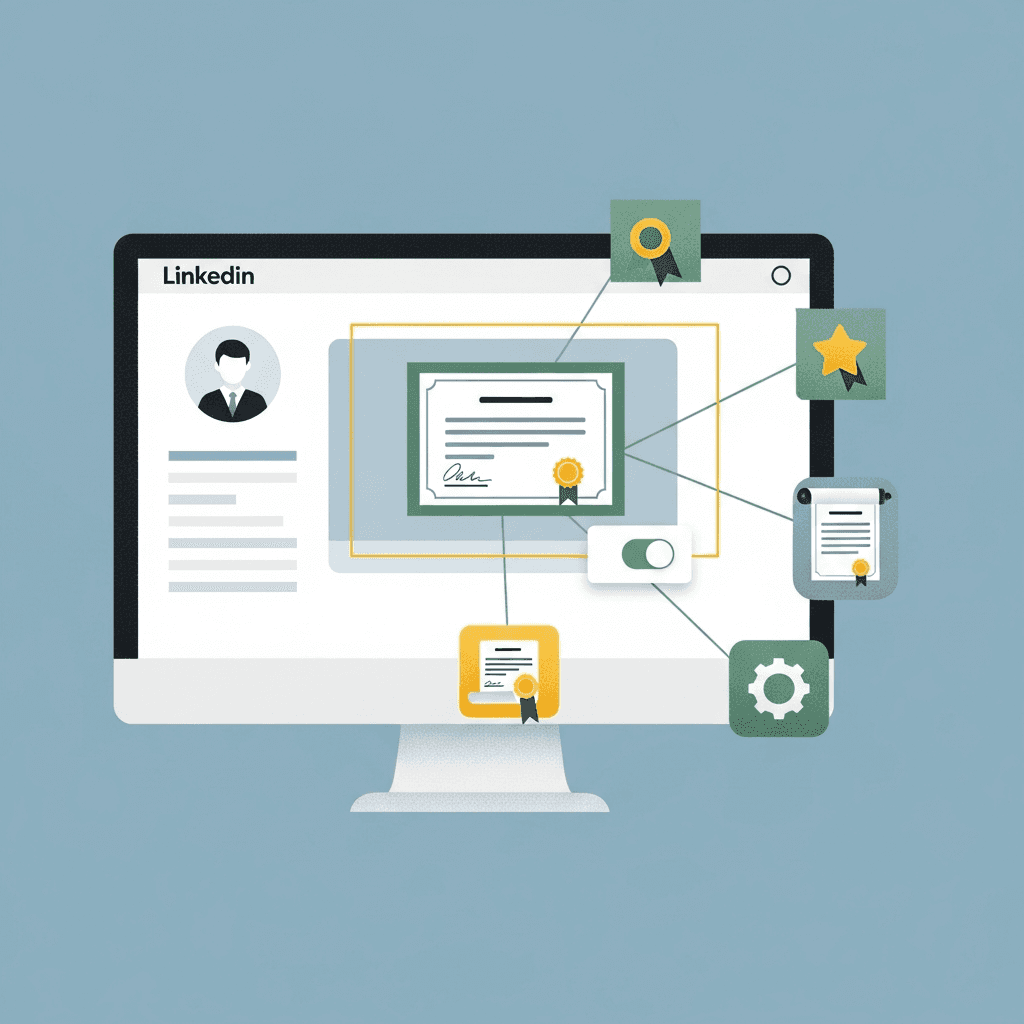
These certificates aren't accredited credentials. They carry no course credit or licensure weight. Employers treat them as supplementary signals, not formal qualifications.
Certificates gain value when paired with application. A Python certificate strengthens your profile when you have code projects to show, as microlearning improves knowledge retention better than longer formats. A leadership certificate matters more when you discuss applying those concepts at work. The certificate documents learning; your work proves competency.
LinkedIn Learning vs. Coursera
Coursera partners with universities and companies to offer academic courses, professional certificates, and degree programs from institutions like Stanford, Yale, and Google. Many courses can be audited for free, with paid options for graded assignments and certificates.
LinkedIn Learning focuses on practical workplace skills through shorter video courses, though microlearning solves challenges in employee training more directly. The average course takes one to three hours, while Coursera's programs typically run four to six weeks with weekly commitments.
Coursera pricing varies by program, from individual course fees to subscriptions like Coursera Plus, which typically costs around $59 per month in the US. LinkedIn Learning costs $39.99 monthly or $239.88 yearly for unlimited access.
Choose Coursera when you need university-backed credentials or want structured learning with deadlines and peer interaction. Choose LinkedIn Learning when you need to learn specific tools quickly or show ongoing professional development without multi-week commitments.
How Arist Complements LinkedIn Learning
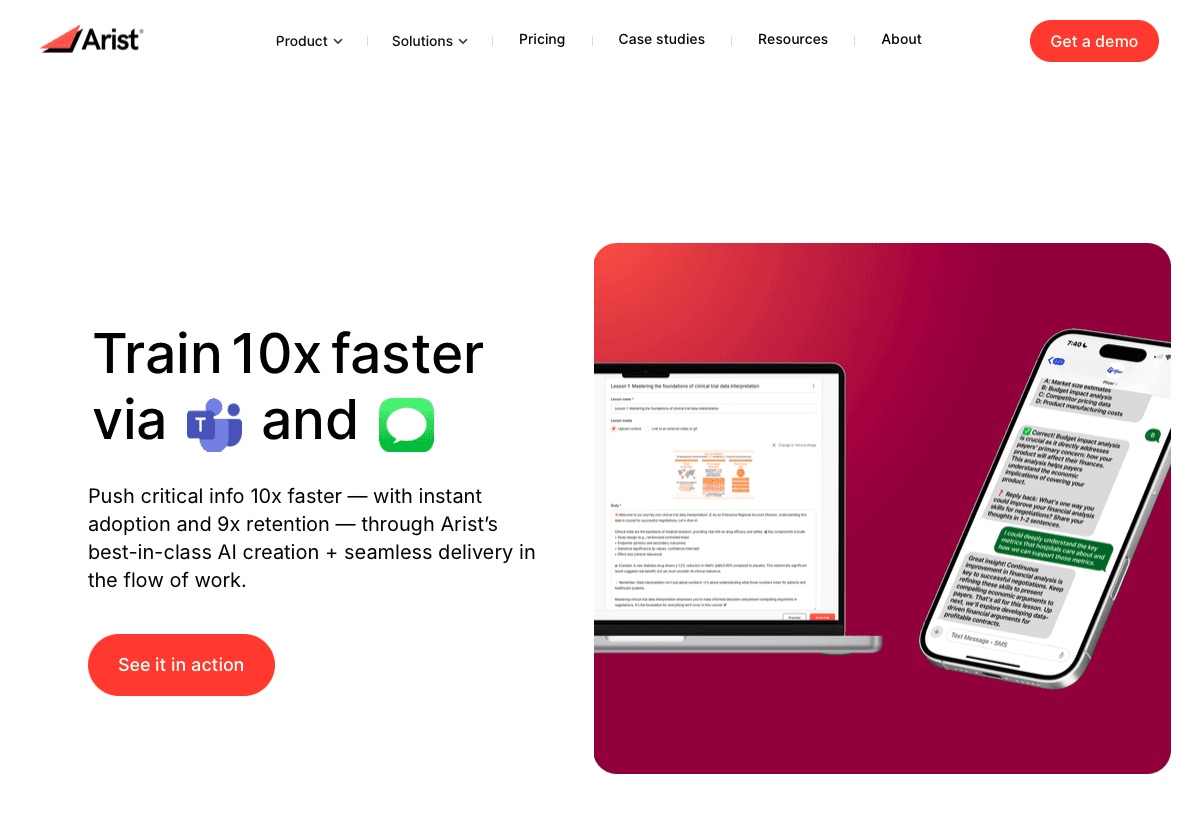
LinkedIn Learning gives employees access to a large library of on-demand courses, but it relies on learners to step away from their daily work to log in and watch content. For many teams, especially busy or distributed ones, that extra step limits completion and follow-through. Arist supports this gap by delivering training, updates, and knowledge checks directly through SMS, Slack, Teams, or WhatsApp, where employees already communicate.
Instead of long video sessions, Arist breaks learning into short, five-minute messages that arrive during the workday. This format works well for reinforcing key ideas from LinkedIn Learning courses, sharing reminders, or guiding employees through new processes over time. No app downloads or additional portals are required, which lowers friction and keeps participation high across roles and locations.
This delivery model is particularly useful for frontline, remote, and global teams who may not have consistent access to email or desktop systems. Arist reaches both desk-based and deskless employees on personal or company devices, allowing organizations to tailor follow-ups by role, department, or region. Learning becomes part of everyday communication instead of a separate task to schedule.
Together, LinkedIn Learning and Arist form a more complete approach to workforce development. LinkedIn Learning provides depth through expert-led content, while Arist supports repetition, interaction, and application in real working conditions. For teams focused on faster rollout, higher completion, and clearer insight into participation, Arist helps extend learning beyond the course itself.
FAQs
How much does LinkedIn Learning cost?
LinkedIn Learning costs $39.99 per month or $239.88 per year (about $19.99 monthly). Both plans include unlimited access to over 24,000 courses, and you can try it free for one month before subscribing.
Can I access LinkedIn Learning for free?
Yes, many public libraries in the US and Canada offer free access through your library card. Many colleges also provide free access to students and sometimes recent alumni through their career services portal.
Are LinkedIn Learning certificates worth adding to my profile?
LinkedIn Learning certificates show recruiters you're actively learning new skills, but they aren't accredited credentials. They work best when paired with real projects or work examples that show you've applied what you learned.
What's the difference between LinkedIn Learning and Coursera?
LinkedIn Learning offers short video courses (1-3 hours) focused on workplace skills with unlimited monthly access. Coursera provides longer university-backed programs (4-6 weeks) with graded assignments and academic credentials at higher per-course costs.
Can I download LinkedIn Learning courses to watch offline?
Yes, the mobile app for iOS and Android lets you download courses for offline viewing. Desktop versions require an internet connection to stream content.
Final Thoughts on LinkedIn Learning
Asking "What is LinkedIn Learning?" helps set the right expectations for how to use it well. It offers broad access to short, video-based professional development courses, flexible pacing, and profile-visible certificates, with free access available through many libraries and universities. For individuals, it works well for learning specific tools or concepts on demand; for organizations, it’s often paired with tools like Arist to reinforce learning through short, chat-based follow-ups delivered in SMS, Slack, or Teams. Used together, LinkedIn Learning supplies depth while Arist supports repetition, participation, and real-world application, helping teams move from passive viewing to consistent skill use over time.
If you’ve ever wondered "What is LinkedIn Learning" after hearing it mentioned by a manager, HR team, or local library, you’re not alone. LinkedIn Learning is often described as Netflix for professional development, offering short video courses on business, technology, and creative skills; but that description only scratches the surface. Understanding how it works, who it’s best for, and how it compares to other online learning options helps determine whether it’s a useful resource or just another subscription you forget to use. Knowing how courses are structured, how certificates are viewed by employers, and what learning formats fit into real workdays makes it easier to decide if it supports your goals or simply adds to your list of unused tools.
TLDR:
LinkedIn Learning costs $39.99/month or $239.88/year for unlimited access to 24,000+ courses.
Certificates post to your profile but aren't accredited credentials or formal qualifications.
Free access available through many public libraries, universities, and employer subscriptions.
Certain modern solutions deliver training via SMS, Slack, and Teams with 90% adoption vs. sub-30% LMS engagement.
Courses are self-paced and video-based, making them easy to start but easy to abandon without reinforcement.
What Is LinkedIn Learning?
LinkedIn Learning delivers professional development through on-demand video courses. The library includes thousands of classes on business, tech, and creative skills taught by industry experts.
Originally launched as Lynda.com in 1995, LinkedIn acquired the service in 2015 for $1.5 billion and rebranded it two years later. This integration connected the course catalog with LinkedIn's professional network, letting you showcase completions directly on your profile as part of online training solutions.
Most courses run 30 minutes to three hours, split into short video segments you can watch at your own speed. Content spans software tutorials, leadership training, data analysis, and creative disciplines like video editing and graphic design.
LinkedIn Learning Pricing and Plans
In the US, LinkedIn Learning charges $39.99 monthly or $239.88 yearly (equivalent to $19.99 per month). Pricing may vary by region and platform. Both options include unlimited access to over 24,000 courses. A free one-month trial lets you test the service before subscribing.
Team subscriptions add admin controls, usage reporting, and custom learning paths. Pricing scales with seat count.
Enterprise plans include custom pricing, LMS integrations, advanced analytics, and content curation tools similar to other corporate training software for organizations training hundreds or thousands of employees. Pricing varies by region across millions of learners worldwide.
How to Access LinkedIn Learning
Public library cards provide free access at thousands of libraries across the US and Canada. Check your library's digital resources page to confirm availability.
Many colleges and universities include LinkedIn Learning in student accounts through their career services portal. Some extend this access to recent alumni.
Employers often purchase team licenses as part of professional development programs using modern training methods. Contact your HR or learning team to verify if your organization already provides access.
LinkedIn Premium subscriptions (such as Premium Career and Premium Business, and some Sales Navigator plans) include access to the LinkedIn Learning course library as a bundled benefit.
Courses and Learning Paths
The catalog includes over 24,000 courses spanning business (leadership, management, project management), technology (software development, data science, IT), and creative fields (design, photography, video production).
Learning paths bundle related courses into structured sequences that build skills step by step. A project management path might cover Agile fundamentals, stakeholder communication, then risk management.
Individual courses split into short video lessons, typically a few minutes long, with exercise files, occasional quizzes, and transcripts, representing one of many employee training methods available today. New releases arrive weekly covering new topics and software updates. Search by skill, software version, or instructor, with filters for difficulty level, duration, and release date.
LinkedIn Learning App and Offline Features
The LinkedIn Learning app runs on iOS and Android through the App Store and Google Play. You can download courses for offline viewing on mobile devices during commutes or travel.
Desktop versions require internet to stream content. The app offers playback speeds from 0.75x to 2x, multilingual subtitles, and adjustable video quality for data management, supporting microlearning approaches.
Recommendations appear based on your LinkedIn profile, viewing history, and listed skills. Content suggestions align with your job title and industry. Saved courses sync across devices so you can resume anywhere, supporting learning in the flow of work.
Certificates and Professional Recognition
LinkedIn Learning certificates post to your profile after finishing a course. You choose which ones to display, and each links to the course details.
44% of users added certificates to their profiles in the last two years. Recruiters see them as signals of recent upskilling or technical training.
These certificates aren't accredited credentials. They carry no course credit or licensure weight. Employers treat them as supplementary signals, not formal qualifications.
Certificates gain value when paired with application. A Python certificate strengthens your profile when you have code projects to show, as microlearning improves knowledge retention better than longer formats. A leadership certificate matters more when you discuss applying those concepts at work. The certificate documents learning; your work proves competency.
LinkedIn Learning vs. Coursera
Coursera partners with universities and companies to offer academic courses, professional certificates, and degree programs from institutions like Stanford, Yale, and Google. Many courses can be audited for free, with paid options for graded assignments and certificates.
LinkedIn Learning focuses on practical workplace skills through shorter video courses, though microlearning solves challenges in employee training more directly. The average course takes one to three hours, while Coursera's programs typically run four to six weeks with weekly commitments.
Coursera pricing varies by program, from individual course fees to subscriptions like Coursera Plus, which typically costs around $59 per month in the US. LinkedIn Learning costs $39.99 monthly or $239.88 yearly for unlimited access.
Choose Coursera when you need university-backed credentials or want structured learning with deadlines and peer interaction. Choose LinkedIn Learning when you need to learn specific tools quickly or show ongoing professional development without multi-week commitments.
How Arist Complements LinkedIn Learning
LinkedIn Learning gives employees access to a large library of on-demand courses, but it relies on learners to step away from their daily work to log in and watch content. For many teams, especially busy or distributed ones, that extra step limits completion and follow-through. Arist supports this gap by delivering training, updates, and knowledge checks directly through SMS, Slack, Teams, or WhatsApp, where employees already communicate.
Instead of long video sessions, Arist breaks learning into short, five-minute messages that arrive during the workday. This format works well for reinforcing key ideas from LinkedIn Learning courses, sharing reminders, or guiding employees through new processes over time. No app downloads or additional portals are required, which lowers friction and keeps participation high across roles and locations.
This delivery model is particularly useful for frontline, remote, and global teams who may not have consistent access to email or desktop systems. Arist reaches both desk-based and deskless employees on personal or company devices, allowing organizations to tailor follow-ups by role, department, or region. Learning becomes part of everyday communication instead of a separate task to schedule.
Together, LinkedIn Learning and Arist form a more complete approach to workforce development. LinkedIn Learning provides depth through expert-led content, while Arist supports repetition, interaction, and application in real working conditions. For teams focused on faster rollout, higher completion, and clearer insight into participation, Arist helps extend learning beyond the course itself.
FAQs
How much does LinkedIn Learning cost?
LinkedIn Learning costs $39.99 per month or $239.88 per year (about $19.99 monthly). Both plans include unlimited access to over 24,000 courses, and you can try it free for one month before subscribing.
Can I access LinkedIn Learning for free?
Yes, many public libraries in the US and Canada offer free access through your library card. Many colleges also provide free access to students and sometimes recent alumni through their career services portal.
Are LinkedIn Learning certificates worth adding to my profile?
LinkedIn Learning certificates show recruiters you're actively learning new skills, but they aren't accredited credentials. They work best when paired with real projects or work examples that show you've applied what you learned.
What's the difference between LinkedIn Learning and Coursera?
LinkedIn Learning offers short video courses (1-3 hours) focused on workplace skills with unlimited monthly access. Coursera provides longer university-backed programs (4-6 weeks) with graded assignments and academic credentials at higher per-course costs.
Can I download LinkedIn Learning courses to watch offline?
Yes, the mobile app for iOS and Android lets you download courses for offline viewing. Desktop versions require an internet connection to stream content.
Final Thoughts on LinkedIn Learning
Asking "What is LinkedIn Learning?" helps set the right expectations for how to use it well. It offers broad access to short, video-based professional development courses, flexible pacing, and profile-visible certificates, with free access available through many libraries and universities. For individuals, it works well for learning specific tools or concepts on demand; for organizations, it’s often paired with tools like Arist to reinforce learning through short, chat-based follow-ups delivered in SMS, Slack, or Teams. Used together, LinkedIn Learning supplies depth while Arist supports repetition, participation, and real-world application, helping teams move from passive viewing to consistent skill use over time.
Related Resources

Article
AI Upskilling: A Practical Guide for Building Your Team in June 2026
Learn how to build AI upskilling programs that drive behavior change. Practical guide with frameworks, metrics, and proven strategies for June 2026.
Read more
Article
Salesforce Training for Beginners: Complete June 2026 Guide
Complete Salesforce training for beginners in June 2026. Learn Trailhead, certifications, admin paths, and career options with this full overview.
Read more
Bring real impact to your people
We care about solving meaningful problems and being thought partners first and foremost. Arist is used and loved by the Fortune 500 — and we'd love to support your goals.
Curious to get a demo or free trial? We'd love to chat:

Bring real impact to your people
We care about solving meaningful problems and being thought partners first and foremost. Arist is used and loved by the Fortune 500 — and we'd love to support your goals.
Curious to get a demo or free trial? We'd love to chat:
Bring real impact to your people
We care about solving meaningful problems and being thought partners first and foremost. Arist is used and loved by the Fortune 500 — and we'd love to support your goals.
Curious to get a demo or free trial? We'd love to chat: