
Sure, AI could get treatments to patients faster, but who are the humans checking its work?
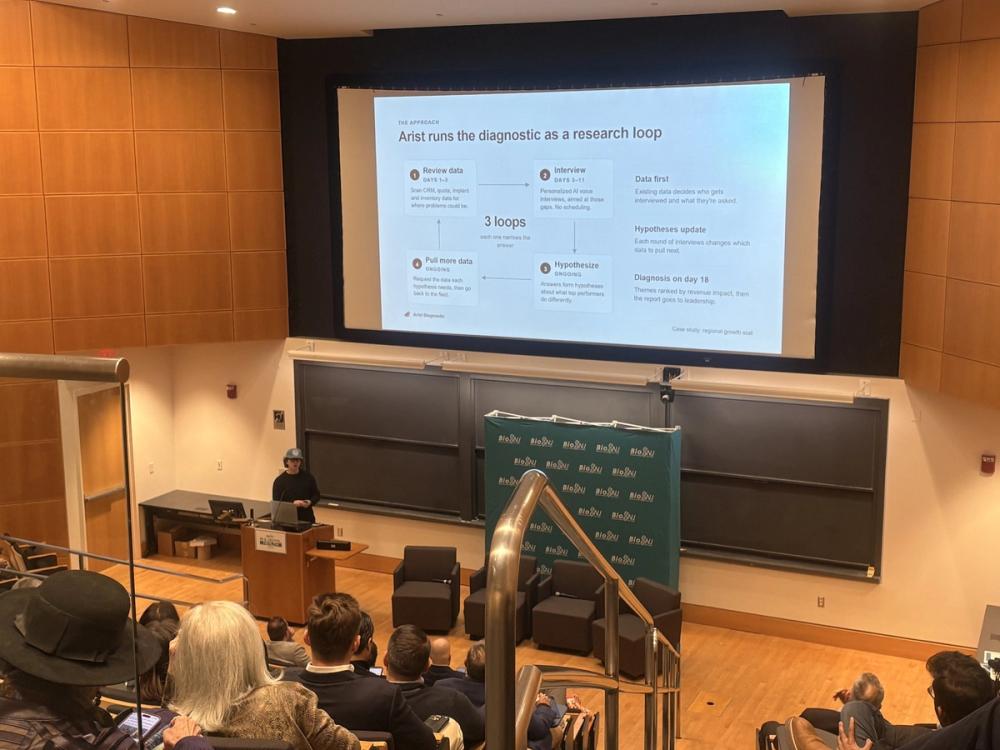
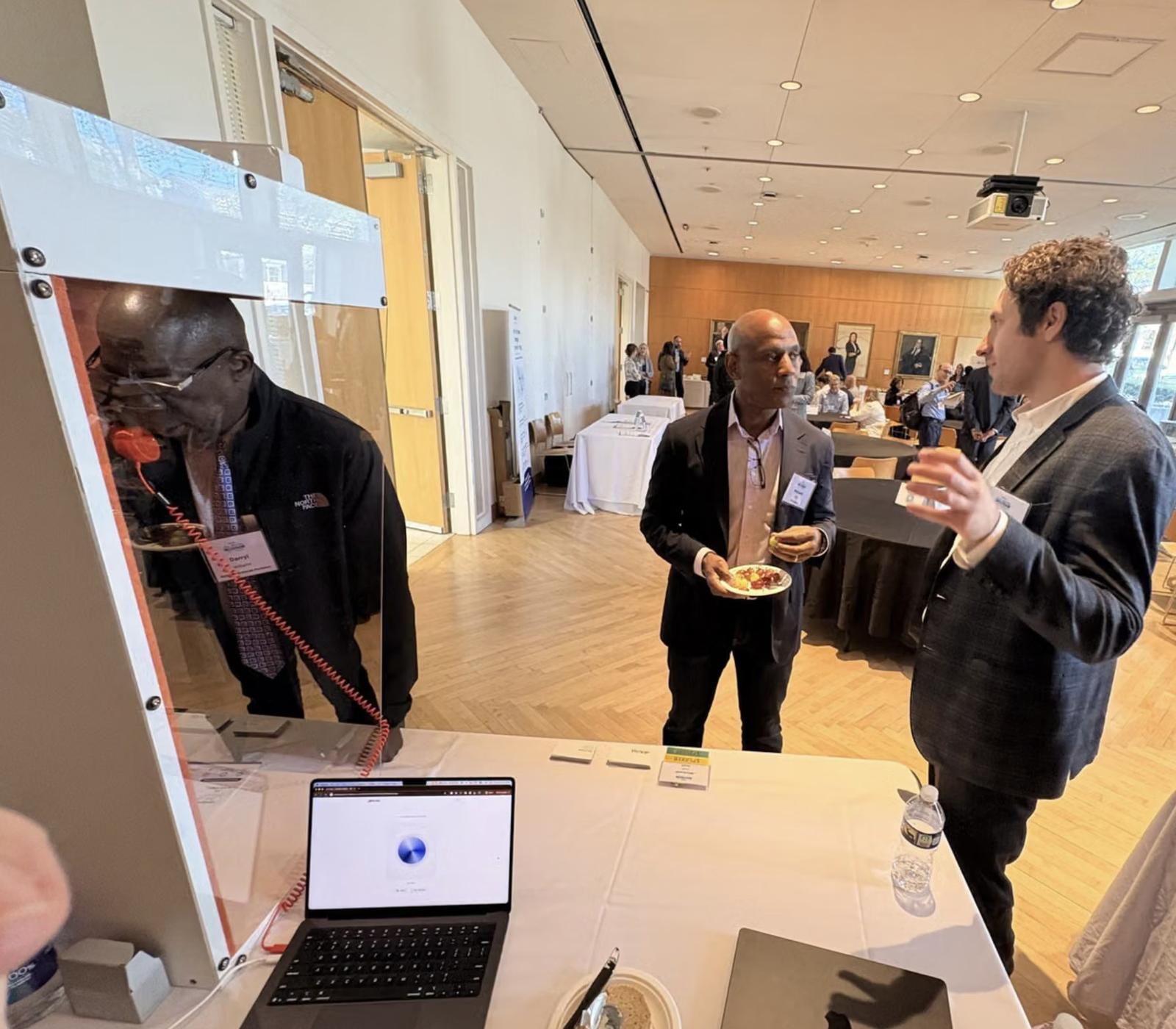
On October 23, BioNJ brought New Jersey’s life sciences community to Princeton University for its AI & Digital Health Day, “From Pilot to Practice: AI at Work in Life Sciences.” We brought a phone booth. Attendees picked up the handset and told Arist’s AI interviewer how they use AI, what worries them, and what they’re watching next.
It was a small number of conversations, but three insights stood out.
1. AI is already doing real work.
A genetics researcher had AI find the cutoff point for cleaning single-cell data, a call that’s “sometimes a little bit hard to eyeball.” The result was “better than I believe the human eye could do.”
A program manager, brought in to rescue a data project three months behind schedule, asked AI one question: “What are the most significant issues that have been left on the table and no decision has been made?” The answer surfaced “the elephant in the room.” Two weeks later, three stalled decisions were resolved and the project moved again.
2. Nobody is checking the work.
Minutes after praising the tool, the same researcher named their biggest worry: colleagues who “blindly use” AI and “don’t check the code or make sure that it’s actually correct.”
They have reason to worry. The University of Melbourne and KPMG found that 66% of people rely on AI output without checking it. And BetterUp Labs and Stanford found that 40% of workers had received AI “workslop” in the past month, at close to two hours of rework each. In an industry built on evidence, that’s the gap between a faster result and a costly one.
3. Headcount decisions are outrunning the work.
One attendee who works with life sciences clients said job loss comes up in “most conversations” with senior leaders, and that privately the intent is “to cut costs by removing headcount.”
That’s one person’s account. But Deloitte’s 2026 research found that 89% of life sciences and health care organizations have not redesigned jobs around AI. Teams are being resized before anyone has looked closely at the work.
High risk, high reward.
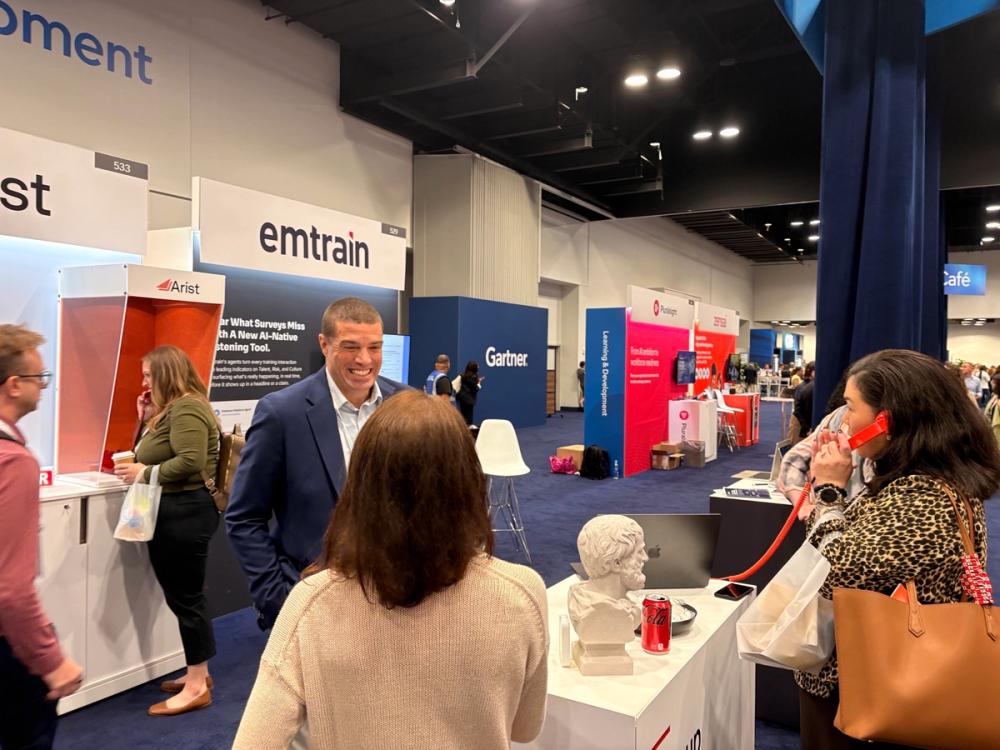
The people we met at Princeton were past the pilot stage. What they were working out was everything around the tool: who checks the output, which decisions are stuck, which jobs change. In life sciences, that’s what separates faster treatments from expensive mistakes. A few days later at Gartner HR Symposium, HR leaders told us a version of the same story.
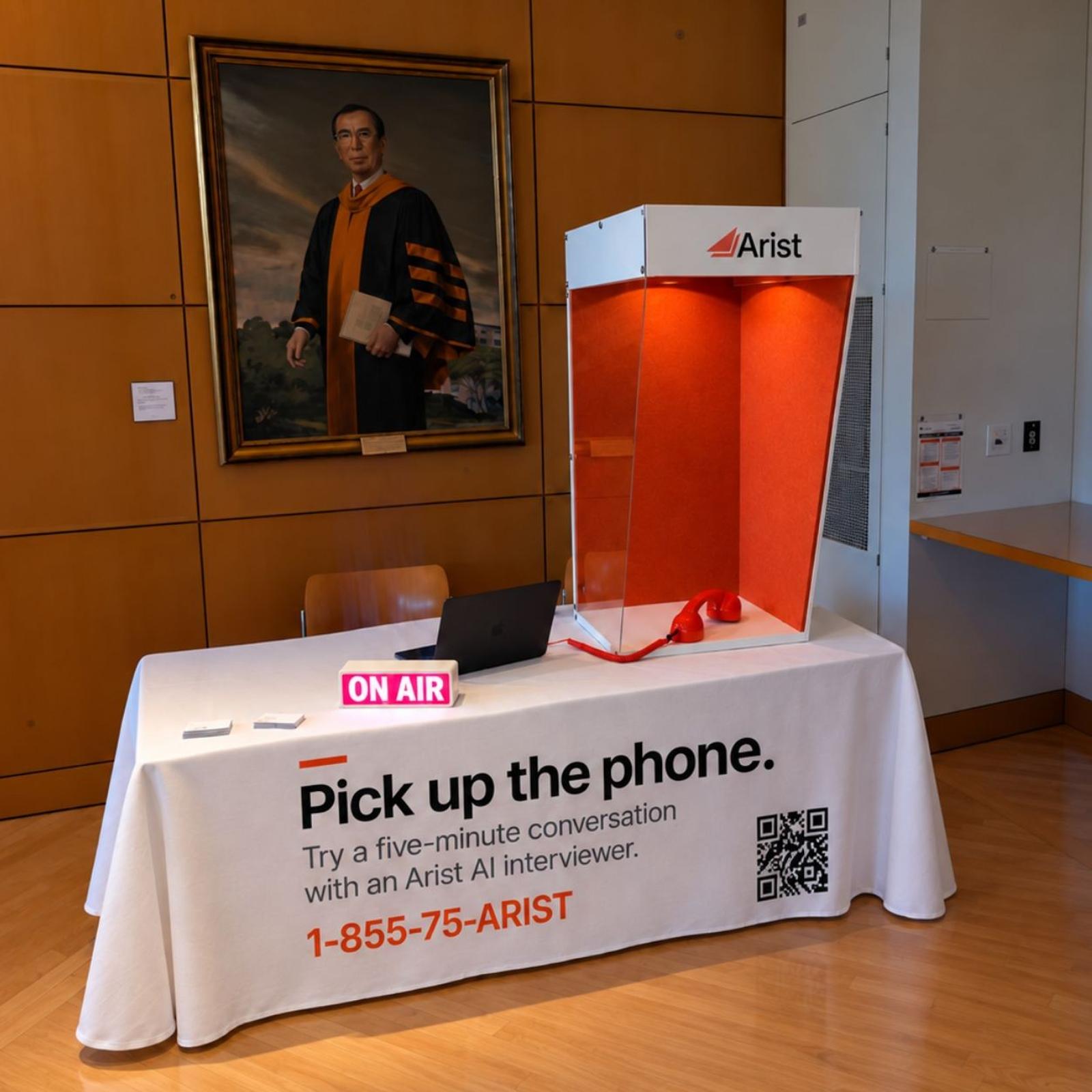
Based on five anonymous conversations at Arist’s phone booth at BioNJ AI & Digital Health Day, October 23, 2026. Not every person answered every question. These are informal observations, not a representative survey. Quotes are lightly edited to remove filler words.