

Most of what leadership needs to know already exists inside the company. It is held by people who are not in the room, in a form nobody has asked for.
When Carl Icahn bought ACF Industries in 1984, he set out to understand what he had spent $469 million on. He started at the New York headquarters and worked through it floor by floor with a yellow pad. “We go to 12th floor, I write on my yellow pad and they try to explain it. I spend the whole day. I go home take a look at my yellow pad and I can’t figure out what the hell they do.” He tried the seventh, the eighth and the ninth, and got the same result.
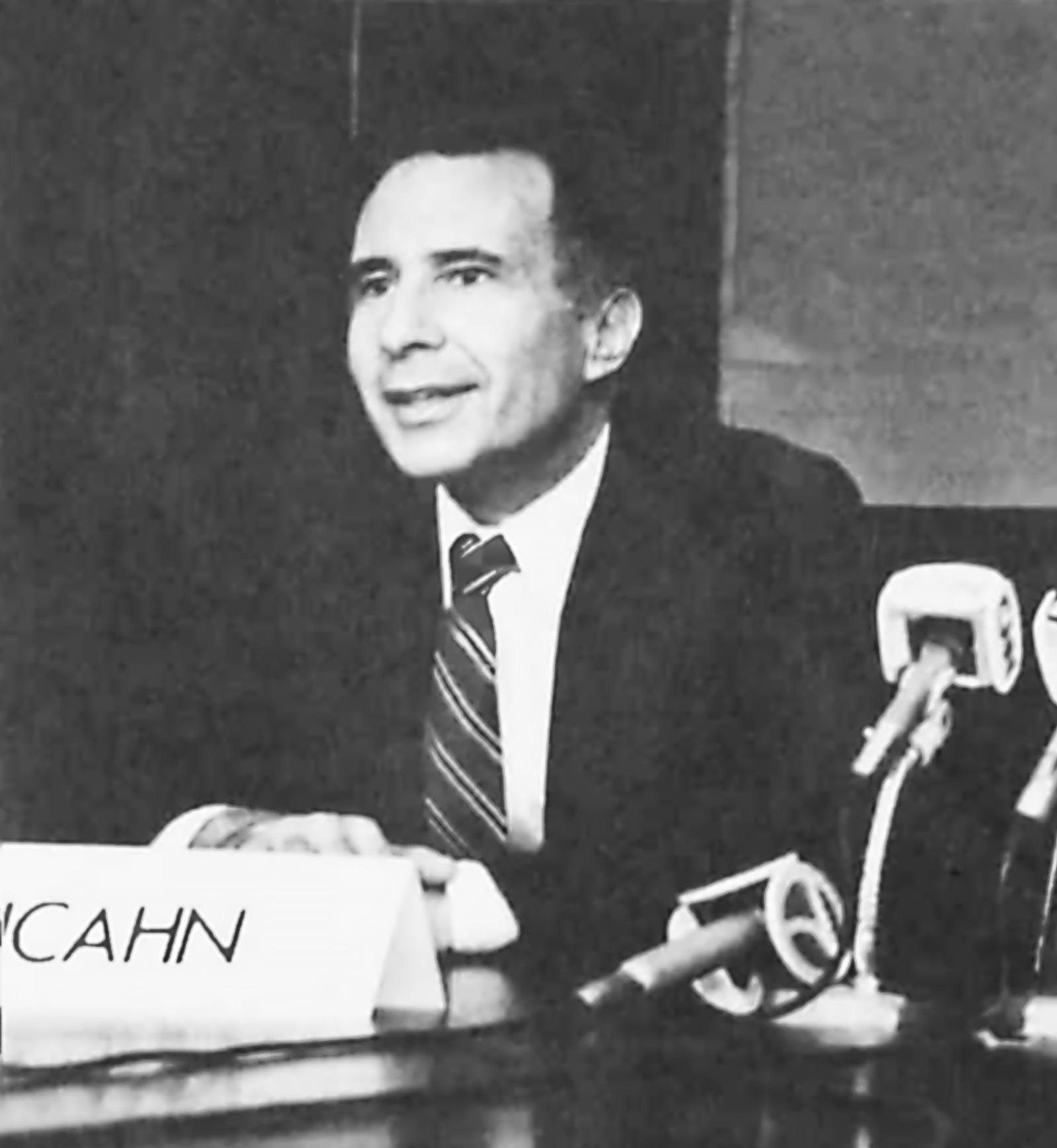
So he hired consultants from Columbia. A quarter of a million dollars and three weeks later, the answer came back: “We don’t know what they do either.”
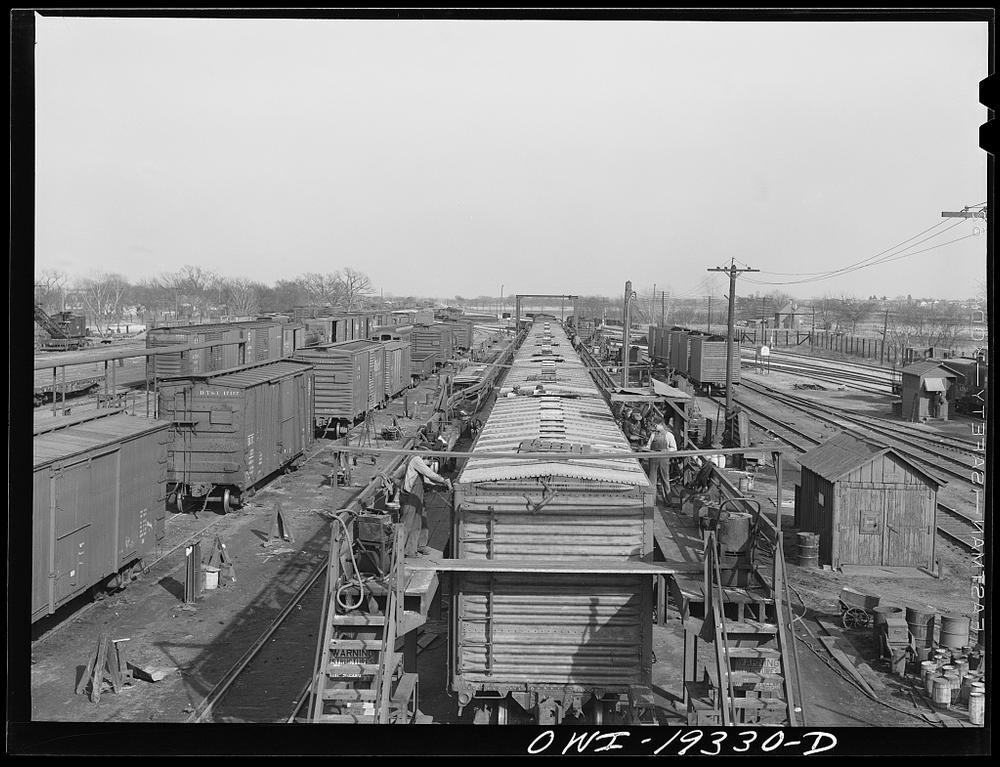
Then he called St. Louis, where the railcars were actually built, and asked the man running the operation how many of those head office people he needed. The answer was immediate. “I need minus 30. Get rid of all of them tomorrow.”
Nobody had lied to Icahn and nothing was being kept from him. Joe was four levels down and nine hundred miles away, and no mechanism existed by which anyone was ever going to ask him.
Sometimes it is worse than distance
Ethan Bernstein spent two years inside the second largest mobile phone factory in the world, embedding researchers on the production lines rather than interviewing the managers who ran them. He found that operators had invented better ways of doing the work and were deliberately concealing them. New workers were shown the improved method, then taught to stop using it the moment a manager came into view.
They were not being obstructive. A nine-year veteran who had worked her way from the line into HR explained the economics of it.
It’s easy for workers to find something that works better. They have very valuable input. But when you tell others, they’ll say, ‘How do we know how much value this has?’ We don’t have the kind of data they want, and we can’t make a case for our findings.
For someone performing the same task 2,400 times a shift, converting a situated judgment into the analytical language head office accepted cost more than staying quiet.
Bernstein then ran the experiment. Curtains around four lines, 28 lines left as controls. Defect-free output per hour on the curtained lines rose by as much as 10 to 15 per cent within a week and kept the lead for five months. Giving people somewhere management could not watch improved the numbers management cared about.
The warehouse does not fix it
Forty years after ACF, the twelve floors are gone and the problem is intact. In the 2025 AI and data leadership benchmark, senior data leaders at 125 Fortune 1000 and global companies were asked how far they had got. 37.3 per cent said they had built a data and AI driven organisation, down from 48.1 per cent a year earlier. Asked what stood in the way, 92 per cent named people and organisational change. Eight per cent named technology.
That is a decade of warehouse investment arriving at the conclusion Icahn reached with a yellow pad.
Systems of record are precise about what happened and hold almost nothing about the judgment that produced it. Which objection came up three times this week. What the customer asked for before the form made them pick a category. Why the two best people in a region left in March, which everyone in that region already knows.

Icahn’s advantage was that he was willing to make the call, and he only had to make it once. A company of forty thousand people on a quarterly cycle needs that answer continuously, from everyone, in a form that survives the trip upstairs. Most enterprises have built every layer of that except the one that listens.