Employee Onboarding Platform: Top Solutions Compared (April 2026)
Employee Onboarding Platform: Top Solutions Compared (April 2026)
Compare top employee onboarding platforms in April 2026. See features, pricing, and which solutions work best for your company size and needs.
Your employee onboarding system needs to do more than process paperwork. Seventy percent of employees decide whether to stay within their first month, and 29% make that call in week one. If your current system stops after compliance forms are signed, you're losing people before they've learned enough to contribute. Here's how the leading systems compare for turning new hires into productive team members.
TLDR:
Traditional onboarding tools handle paperwork, but 70% of new hires decide to stay or leave within 30 days.
Some platforms deliver training via SMS, Teams, and Slack with 90%+ adoption vs. 20-30% for typical LMS portals.
AI agents can interview hundreds of new hires simultaneously, create personalized content, and track real performance gaps.
Many companies can achieve 8x faster deployment and 3x higher adoption while cutting onboarding costs by over 70%.
Some systems automate the full flow from needs analysis to delivery and analytics via messaging tools employees already use.
What Is an Employee Onboarding System?
An employee onboarding system is a digital solution that manages everything between a new hire signing their offer and becoming productive in their role. That window, typically the first 90 days, involves paperwork, compliance acknowledgments, IT access, benefits enrollment, training assignments, and check-ins.
Without a dedicated system, HR teams stitch this together manually across email, spreadsheets, and disconnected tools. The result is inconsistent experiences, missed steps, and new hires who feel lost before they get started.
The right onboarding software creates a repeatable, scalable process so every new employee gets the same quality experience, regardless of team or location.
How We Ranked Employee Onboarding Solutions
Every solution in this list was assessed against the same criteria, using publicly available information.
Core features: automated task workflows, compliance tracking, and document management
Employee experience: how intuitive the process feels for new hires and HR admins alike
Delivery method: whether content reaches employees where they already work or requires logging into yet another system
Integrations: compatibility with common HRIS, payroll, and IT tools
Scalability: how well the solution holds up as headcount grows
Pricing transparency: whether costs are clear upfront or buried behind a sales call
A 20-person startup has different needs than a 50,000-person enterprise. Keep that in mind as you read.
Solution | Best For | Core Strength | Training Delivery | Key Limitation |
|---|---|---|---|---|
Arist | Enterprises with frontline or global teams | AI agents that build, deliver, and iterate onboarding content end-to-end | SMS, Teams, Slack with 90%+ adoption | Built for scale; may exceed small team needs |
BambooHR | Small to mid-sized businesses | Clean admin setup with e-signatures, checklists, and I-9 workflows | None built in; requires separate tools | Stops after paperwork; no role-specific training |
Paychex | Small businesses on Paychex payroll | Unified payroll and compliance onboarding | None built in | No training, no personalization, no retention tracking |
Rippling | Growing companies needing HR, IT, and finance in one place | Automated app provisioning and global payroll from one employee record | Basic compliance module assignment | Costs climb with added modules; no performance-focused training |
Workday | Large enterprises (2,000+ employees) already in Workday | Deep lifecycle integration with preboarding, journeys, and analytics | Built-in LMS within Workday ecosystem | Heavy configuration; long implementation timelines |
Gusto | Small businesses wanting all-in-one HR | Payroll, tax filing, benefits, and onboarding in one system | Relies on external LMS integrations | No built-in training or knowledge gap measurement |
Best Overall Employee Onboarding Solution: Arist
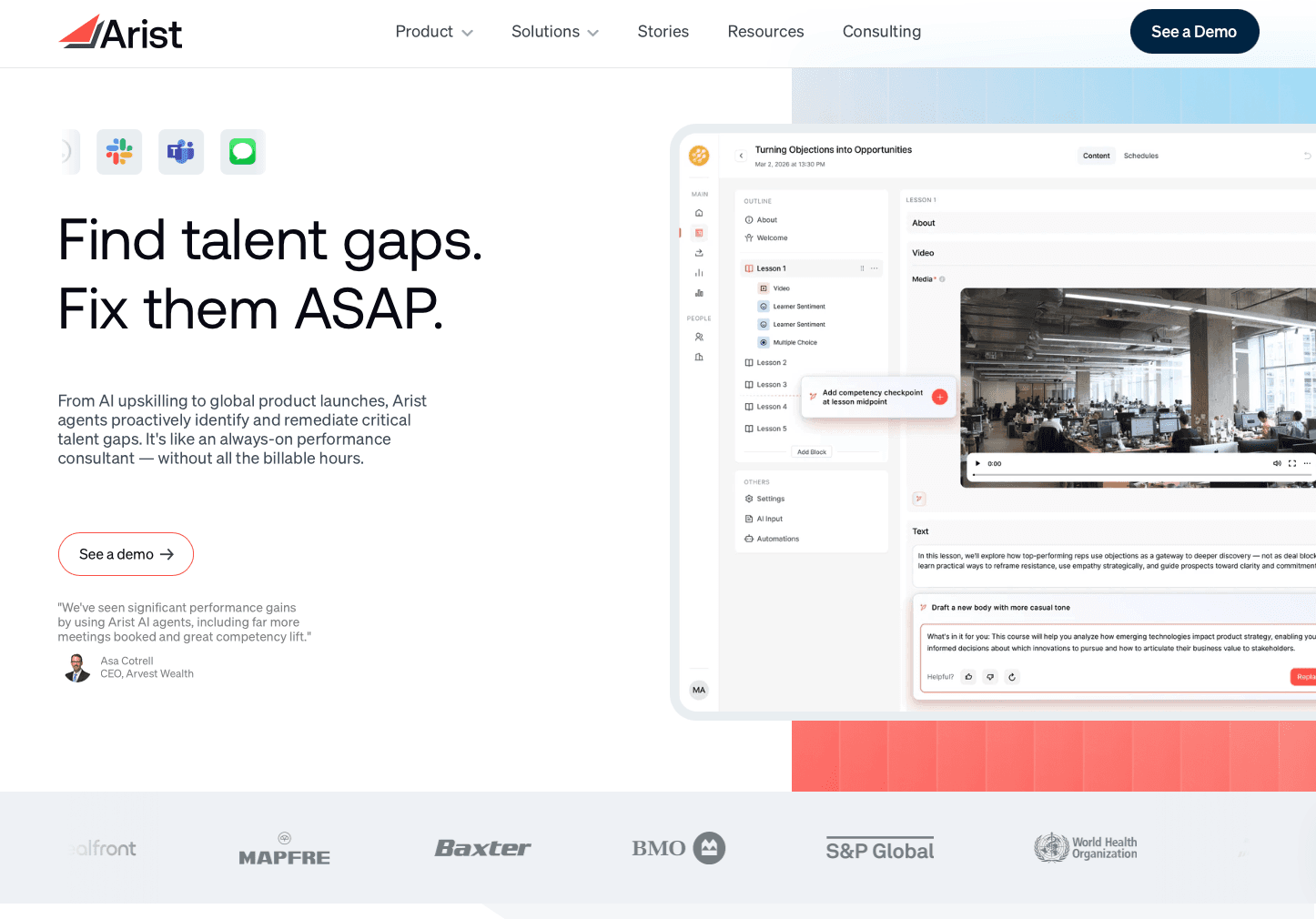
Most onboarding tools hand new hires a portal login and a checklist. Arist takes a different approach: it meets employees where they already are, inside Teams, Slack, or SMS, and automates the entire enablement flow from gap identification through content delivery and analytics.
What Arist Offers
AI agents that interview new hires simultaneously to surface gaps and personalize the onboarding experience
Course creation in 40+ languages with automated translation and role-based customization
Direct delivery via SMS, Teams, and Slack with over 90% adoption rates
FLSA wage and hour compliance for training frontline employees on personal devices
Real-time analytics tracking satisfaction, engagement, completion, and knowledge gaps
The result is onboarding that deploys 8x faster than traditional methods, without sacrificing quality or consistency. GHD, for example, achieved 8x speed to launch and 3x lift in adoption after switching, while displacing tools like LinkedIn Learning and Articulate in the process.
What separates Arist from every other solution in this list is the end-to-end agent architecture. Other tools automate tasks. Arist automates the entire flow: identifying what new hires need to know, building the content, delivering it, and iterating based on real-time performance data. No third-party dependencies, no separate portal for employees to ignore.
If your onboarding challenge is scale, speed, or frontline reach, Arist is the answer.
BambooHR
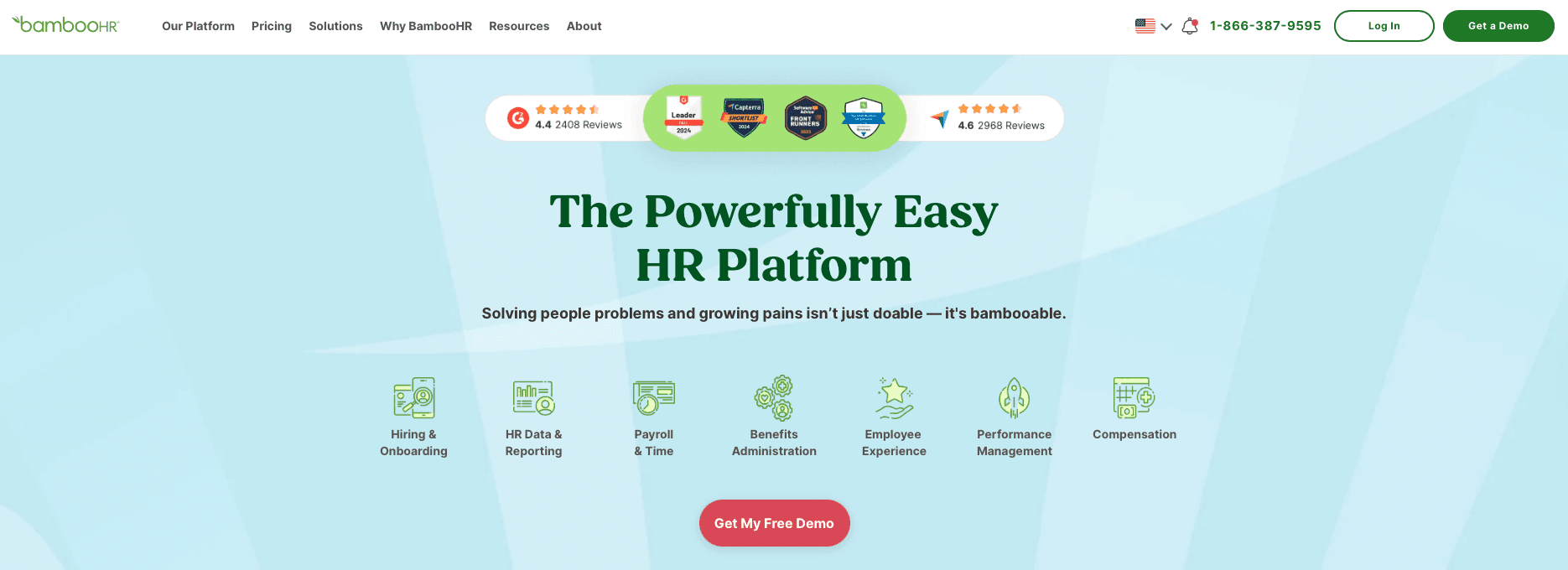
BambooHR is a well-known HR tool built for small and mid-sized businesses. Its onboarding module is clean, fast to set up, and handles the administrative side of bringing someone on without needing IT involved.
What They Offer
Customizable onboarding checklists and templates by role and work mode
E-signatures for tax forms, I-9 verifications, and direct deposit details
Automated I-9 and E-Verify workflows powered by Mitratech
Automated task reminders to keep paperwork moving on schedule
Good for small and mid-sized businesses that want a clean, fast onboarding setup without IT involvement.
The gap shows up after day one. Once the paperwork clears, BambooHR steps back. New hires still need separate training tools, manager-led sessions, or self-guided reading to actually learn their role. That handoff is where onboarding most often breaks down.
Paychex
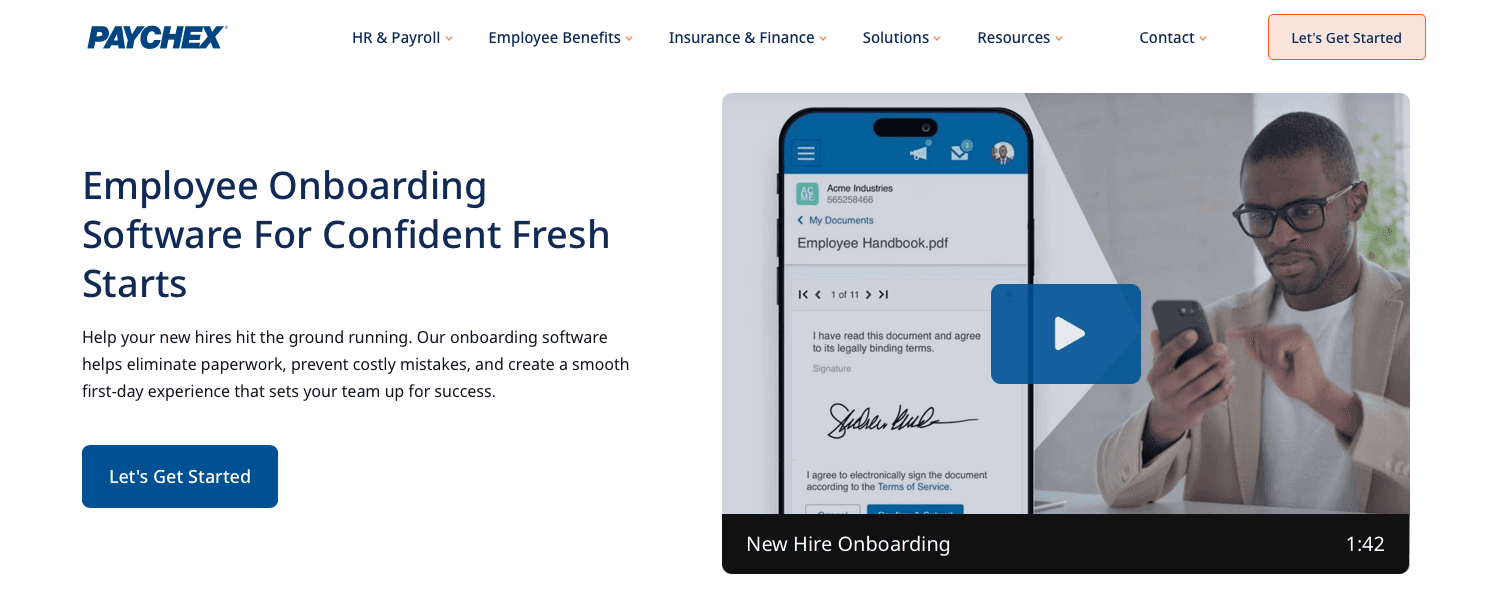
Paychex onboarding is built for businesses already running payroll through Paychex. The logic is simple: keep everything in one place and reduce the back-and-forth between HR tools.
What They Offer
Electronic Form I-9 completion with E-Verify integration
Automated form assignment, document storage, and task handling in one secure place
Compliance tracking and audit-ready onboarding completion
Automated email reminders for task completion and Form I-9 initiation
Good for small businesses that want payroll and onboarding under one roof without managing multiple vendors.
The limitation is scope. Paychex handles compliance paperwork well, but stops there. No mechanism exists for measuring whether new hires retained anything, no ongoing training delivery, and no way to personalize the experience by role or location. Once the forms are signed, you're on your own.
Rippling
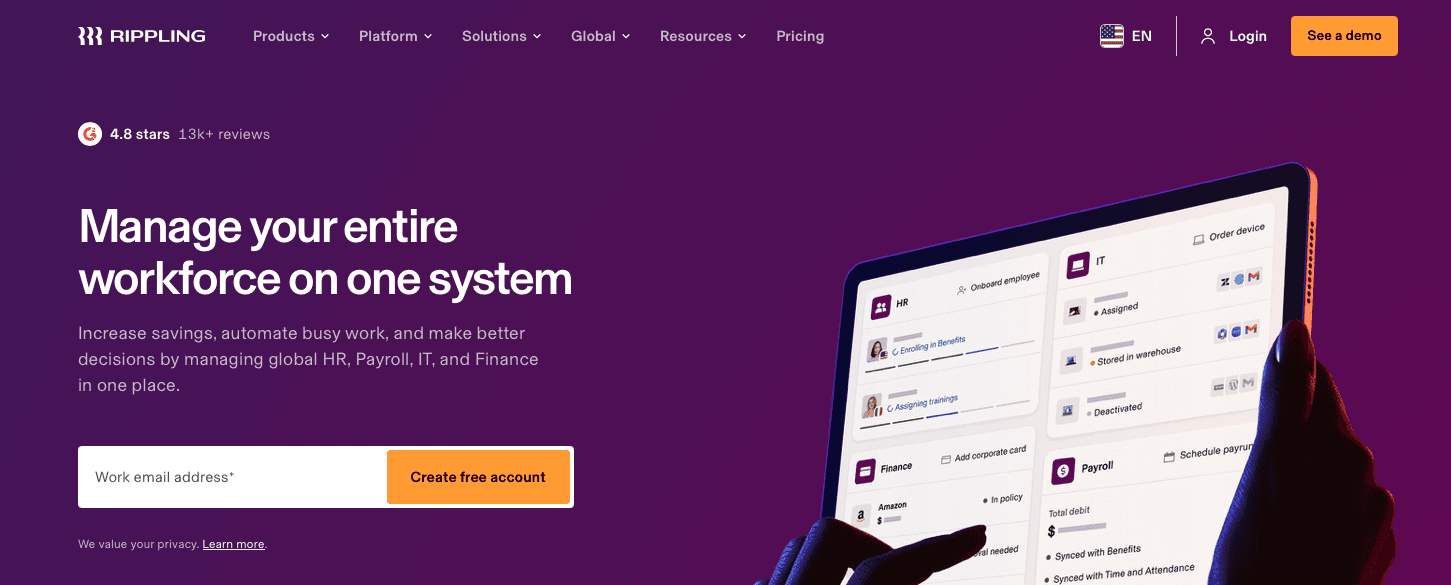
Rippling is arguably the most integration-dense tool in the HR tech market. Its unified employee record connects HR, IT, and payroll, automatically provisioning software accounts, shipping equipment, and setting up payroll from a single workflow.
What They Offer
Automated provisioning and deprovisioning of apps like Slack, Salesforce, and Gmail when employees join or leave
Applicant tracking where candidate data flows directly into employee records without duplicate entry
Onboarding workflows that can reduce administrative time, according to vendor-reported data
Training assignment, completion tracking, and compliance learning logs
Good for growing businesses that want HR, IT, and finance consolidated with automated onboarding and IT management for global employees.
Pricing starts at $8 per employee per month, but costs climb fast when you add modules for IT, global payroll, and other features. What looks straightforward on paper can multiply quickly for companies with real complexity.
The deeper limitation is what Rippling does not do: drive performance. Granting system access and assigning a compliance module are not the same as preparing someone to do their job well. Rippling excels at provisioning. Arist focuses on what happens after the accounts are set up, using AI-generated training delivered where employees already work to close actual knowledge gaps.
Workday
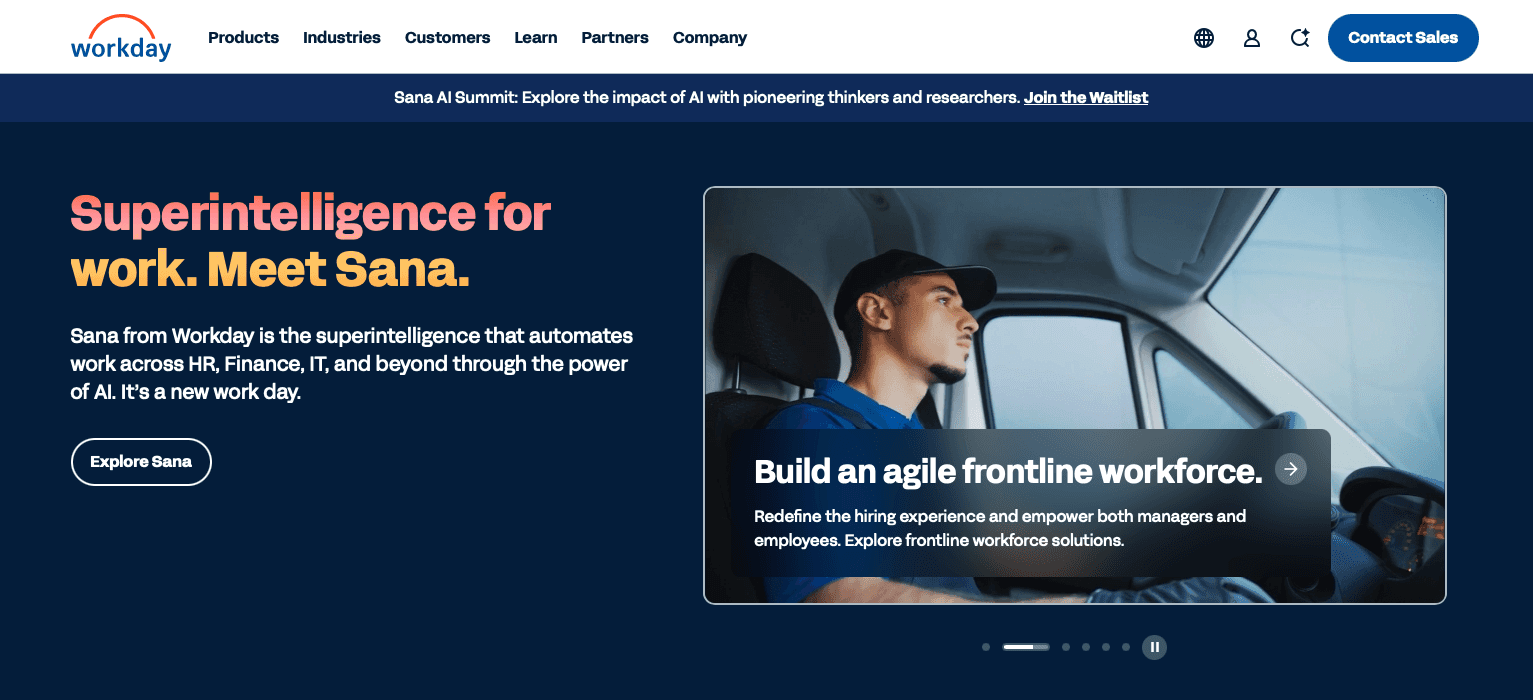
Workday's onboarding module is deeply integrated with the rest of the Workday ecosystem, including learning, payroll, compliance, and performance management.
What They Offer
Preboarding content and notifications introducing new hires to teams before day one
Analytics with visibility into onboarding plans, progress, and effectiveness across the organization
Journeys feature that delivers personalized experiences for role changes, promotions, and other lifecycle moments
Manager setup tasks including welcome messages and people-to-meet assignments
Good for large enterprises with 2,000+ employees already invested in the Workday ecosystem.
The limitation is scope of effort. Configuration is extensive, implementation requires dedicated admin resources, and costs and timelines reflect that reality. Workday offers enterprise-grade depth, but getting there is a major project.
Gusto
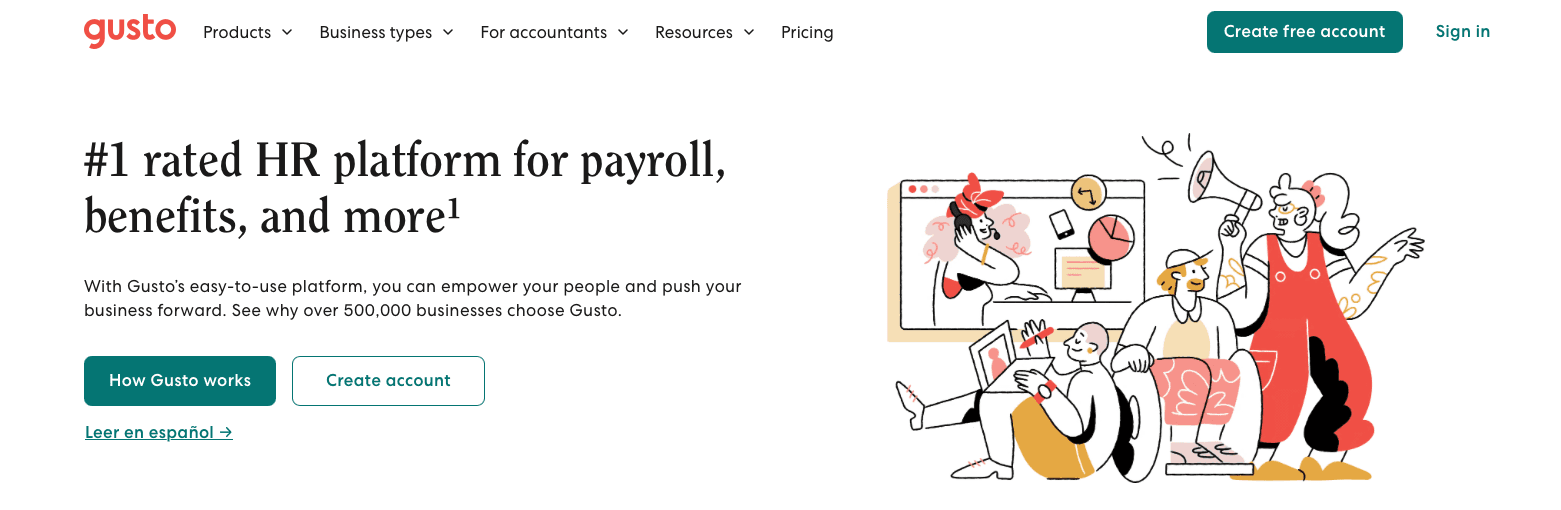
Gusto combines payroll processing, tax filing, benefits administration, and onboarding into one system built for growing businesses that want less vendor juggling.
What They Offer
Automated new-hire reporting across all 50 states, document e-signing, benefits selection, and custom offer letters with onboarding checklists in base plans
Paperless, self-service onboarding where new employees complete information, upload documents, sign forms, and enroll in benefits before day one
Plus plan adds org charts, employee directories, software provisioning, and custom onboarding workflows
Pricing starts at $49/month base plus $6 per employee for Simple, or $80/month plus $12 per employee for Plus with multi-state payroll
Good fit for small businesses that want a clean, all-in-one HR system without managing multiple tools.
The limitation is training. Gusto relies on integrations with external learning management systems instead of delivering training directly. Onboarding stops at the administrative layer. New hires get their paperwork done, but there is no built-in mechanism to close knowledge gaps or measure whether they are ready to perform.
Why Arist Is the Best Employee Onboarding Solution
Only 12% of employees say their company does a great job onboarding. Seventy percent decide whether they'll stay within the first month. Twenty-nine percent make that call in week one.
That math leaves you roughly 44 days to get it right.
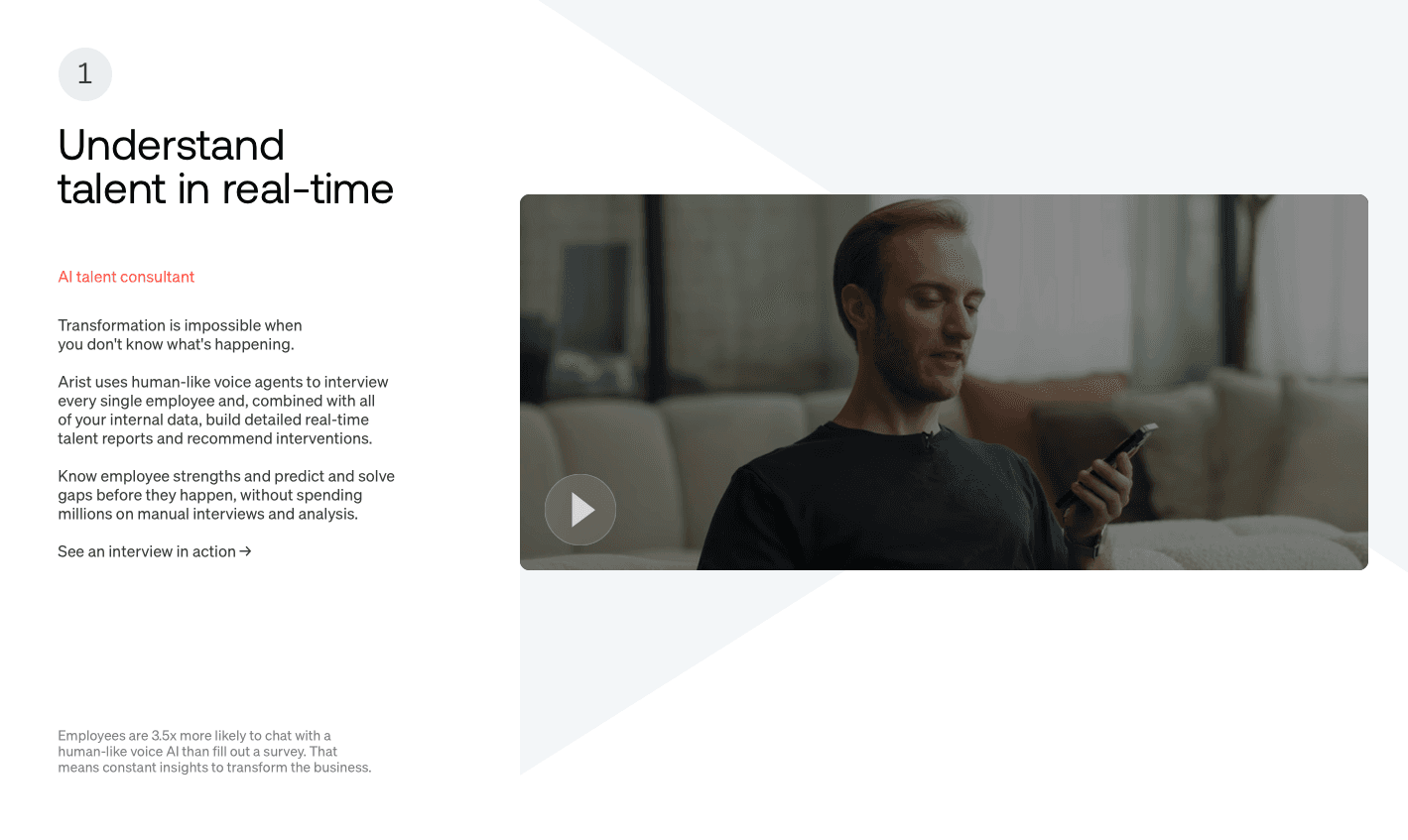
Every other tool in this list handles paperwork. Arist handles what comes after: AI agents that interview new hires, create personalized training within minutes, and deliver it through SMS, Teams, or Slack before they've even found the coffee machine. No portal logins. No ignored LMS assignments. Just training that actually reaches people, with 90%+ adoption and measurable performance lift to back it up.
FAQs
How do I choose the right onboarding solution for my company size?
Start with your current pain point. Companies under 100 employees typically need payroll and onboarding in one system (Gusto or BambooHR work well here). Mid-size companies managing IT provisioning across teams benefit from tools like Rippling. Large enterprises with frontline workers or complex global operations need platforms that deliver training where employees already work, like Arist, which handles SMS and Teams delivery at scale with wage and hour compliance built in.
What's the difference between administrative onboarding and performance-ready onboarding?
Administrative onboarding gets paperwork signed and systems provisioned (tax forms, I-9s, benefits enrollment, software access). Performance-ready onboarding makes sure new hires can actually do their job. Most tools in this category stop at the administrative layer. Platforms like Arist continue past day one, using AI to identify knowledge gaps, create role-specific training, and deliver it where employees work. The first gets someone in the system. The second gets them productive.
Can free onboarding tools handle compliance requirements?
Free options typically cover basic e-signatures and form collection, but fall short on compliance tracking, audit trails, and automated reporting. If you operate in multiple states or industries with specific regulatory requirements, you need paid solutions with built-in I-9 workflows, E-Verify integration, and documentation storage that survives an audit. Free works for very small teams with simple compliance needs. Beyond that, the risk outweighs the savings.
Final Thoughts on Building Better Onboarding
Paperwork gets signed either way. What separates good onboarding from great onboarding is whether your new hires can actually do the job after their first week. An employee onboarding platform needs to work fast, reach people where they are, and prove it's working with real data. Arist handles all three: AI-powered content delivered through SMS and chat, with completion and performance analytics that show exactly what's landing and what's not.
Your employee onboarding system needs to do more than process paperwork. Seventy percent of employees decide whether to stay within their first month, and 29% make that call in week one. If your current system stops after compliance forms are signed, you're losing people before they've learned enough to contribute. Here's how the leading systems compare for turning new hires into productive team members.
TLDR:
Traditional onboarding tools handle paperwork, but 70% of new hires decide to stay or leave within 30 days.
Some platforms deliver training via SMS, Teams, and Slack with 90%+ adoption vs. 20-30% for typical LMS portals.
AI agents can interview hundreds of new hires simultaneously, create personalized content, and track real performance gaps.
Many companies can achieve 8x faster deployment and 3x higher adoption while cutting onboarding costs by over 70%.
Some systems automate the full flow from needs analysis to delivery and analytics via messaging tools employees already use.
What Is an Employee Onboarding System?
An employee onboarding system is a digital solution that manages everything between a new hire signing their offer and becoming productive in their role. That window, typically the first 90 days, involves paperwork, compliance acknowledgments, IT access, benefits enrollment, training assignments, and check-ins.
Without a dedicated system, HR teams stitch this together manually across email, spreadsheets, and disconnected tools. The result is inconsistent experiences, missed steps, and new hires who feel lost before they get started.
The right onboarding software creates a repeatable, scalable process so every new employee gets the same quality experience, regardless of team or location.
How We Ranked Employee Onboarding Solutions
Every solution in this list was assessed against the same criteria, using publicly available information.
Core features: automated task workflows, compliance tracking, and document management
Employee experience: how intuitive the process feels for new hires and HR admins alike
Delivery method: whether content reaches employees where they already work or requires logging into yet another system
Integrations: compatibility with common HRIS, payroll, and IT tools
Scalability: how well the solution holds up as headcount grows
Pricing transparency: whether costs are clear upfront or buried behind a sales call
A 20-person startup has different needs than a 50,000-person enterprise. Keep that in mind as you read.
Solution | Best For | Core Strength | Training Delivery | Key Limitation |
|---|---|---|---|---|
Arist | Enterprises with frontline or global teams | AI agents that build, deliver, and iterate onboarding content end-to-end | SMS, Teams, Slack with 90%+ adoption | Built for scale; may exceed small team needs |
BambooHR | Small to mid-sized businesses | Clean admin setup with e-signatures, checklists, and I-9 workflows | None built in; requires separate tools | Stops after paperwork; no role-specific training |
Paychex | Small businesses on Paychex payroll | Unified payroll and compliance onboarding | None built in | No training, no personalization, no retention tracking |
Rippling | Growing companies needing HR, IT, and finance in one place | Automated app provisioning and global payroll from one employee record | Basic compliance module assignment | Costs climb with added modules; no performance-focused training |
Workday | Large enterprises (2,000+ employees) already in Workday | Deep lifecycle integration with preboarding, journeys, and analytics | Built-in LMS within Workday ecosystem | Heavy configuration; long implementation timelines |
Gusto | Small businesses wanting all-in-one HR | Payroll, tax filing, benefits, and onboarding in one system | Relies on external LMS integrations | No built-in training or knowledge gap measurement |
Best Overall Employee Onboarding Solution: Arist
Most onboarding tools hand new hires a portal login and a checklist. Arist takes a different approach: it meets employees where they already are, inside Teams, Slack, or SMS, and automates the entire enablement flow from gap identification through content delivery and analytics.
What Arist Offers
AI agents that interview new hires simultaneously to surface gaps and personalize the onboarding experience
Course creation in 40+ languages with automated translation and role-based customization
Direct delivery via SMS, Teams, and Slack with over 90% adoption rates
FLSA wage and hour compliance for training frontline employees on personal devices
Real-time analytics tracking satisfaction, engagement, completion, and knowledge gaps
The result is onboarding that deploys 8x faster than traditional methods, without sacrificing quality or consistency. GHD, for example, achieved 8x speed to launch and 3x lift in adoption after switching, while displacing tools like LinkedIn Learning and Articulate in the process.
What separates Arist from every other solution in this list is the end-to-end agent architecture. Other tools automate tasks. Arist automates the entire flow: identifying what new hires need to know, building the content, delivering it, and iterating based on real-time performance data. No third-party dependencies, no separate portal for employees to ignore.
If your onboarding challenge is scale, speed, or frontline reach, Arist is the answer.
BambooHR
BambooHR is a well-known HR tool built for small and mid-sized businesses. Its onboarding module is clean, fast to set up, and handles the administrative side of bringing someone on without needing IT involved.
What They Offer
Customizable onboarding checklists and templates by role and work mode
E-signatures for tax forms, I-9 verifications, and direct deposit details
Automated I-9 and E-Verify workflows powered by Mitratech
Automated task reminders to keep paperwork moving on schedule
Good for small and mid-sized businesses that want a clean, fast onboarding setup without IT involvement.
The gap shows up after day one. Once the paperwork clears, BambooHR steps back. New hires still need separate training tools, manager-led sessions, or self-guided reading to actually learn their role. That handoff is where onboarding most often breaks down.
Paychex
Paychex onboarding is built for businesses already running payroll through Paychex. The logic is simple: keep everything in one place and reduce the back-and-forth between HR tools.
What They Offer
Electronic Form I-9 completion with E-Verify integration
Automated form assignment, document storage, and task handling in one secure place
Compliance tracking and audit-ready onboarding completion
Automated email reminders for task completion and Form I-9 initiation
Good for small businesses that want payroll and onboarding under one roof without managing multiple vendors.
The limitation is scope. Paychex handles compliance paperwork well, but stops there. No mechanism exists for measuring whether new hires retained anything, no ongoing training delivery, and no way to personalize the experience by role or location. Once the forms are signed, you're on your own.
Rippling
Rippling is arguably the most integration-dense tool in the HR tech market. Its unified employee record connects HR, IT, and payroll, automatically provisioning software accounts, shipping equipment, and setting up payroll from a single workflow.
What They Offer
Automated provisioning and deprovisioning of apps like Slack, Salesforce, and Gmail when employees join or leave
Applicant tracking where candidate data flows directly into employee records without duplicate entry
Onboarding workflows that can reduce administrative time, according to vendor-reported data
Training assignment, completion tracking, and compliance learning logs
Good for growing businesses that want HR, IT, and finance consolidated with automated onboarding and IT management for global employees.
Pricing starts at $8 per employee per month, but costs climb fast when you add modules for IT, global payroll, and other features. What looks straightforward on paper can multiply quickly for companies with real complexity.
The deeper limitation is what Rippling does not do: drive performance. Granting system access and assigning a compliance module are not the same as preparing someone to do their job well. Rippling excels at provisioning. Arist focuses on what happens after the accounts are set up, using AI-generated training delivered where employees already work to close actual knowledge gaps.
Workday
Workday's onboarding module is deeply integrated with the rest of the Workday ecosystem, including learning, payroll, compliance, and performance management.
What They Offer
Preboarding content and notifications introducing new hires to teams before day one
Analytics with visibility into onboarding plans, progress, and effectiveness across the organization
Journeys feature that delivers personalized experiences for role changes, promotions, and other lifecycle moments
Manager setup tasks including welcome messages and people-to-meet assignments
Good for large enterprises with 2,000+ employees already invested in the Workday ecosystem.
The limitation is scope of effort. Configuration is extensive, implementation requires dedicated admin resources, and costs and timelines reflect that reality. Workday offers enterprise-grade depth, but getting there is a major project.
Gusto
Gusto combines payroll processing, tax filing, benefits administration, and onboarding into one system built for growing businesses that want less vendor juggling.
What They Offer
Automated new-hire reporting across all 50 states, document e-signing, benefits selection, and custom offer letters with onboarding checklists in base plans
Paperless, self-service onboarding where new employees complete information, upload documents, sign forms, and enroll in benefits before day one
Plus plan adds org charts, employee directories, software provisioning, and custom onboarding workflows
Pricing starts at $49/month base plus $6 per employee for Simple, or $80/month plus $12 per employee for Plus with multi-state payroll
Good fit for small businesses that want a clean, all-in-one HR system without managing multiple tools.
The limitation is training. Gusto relies on integrations with external learning management systems instead of delivering training directly. Onboarding stops at the administrative layer. New hires get their paperwork done, but there is no built-in mechanism to close knowledge gaps or measure whether they are ready to perform.
Why Arist Is the Best Employee Onboarding Solution
Only 12% of employees say their company does a great job onboarding. Seventy percent decide whether they'll stay within the first month. Twenty-nine percent make that call in week one.
That math leaves you roughly 44 days to get it right.
Every other tool in this list handles paperwork. Arist handles what comes after: AI agents that interview new hires, create personalized training within minutes, and deliver it through SMS, Teams, or Slack before they've even found the coffee machine. No portal logins. No ignored LMS assignments. Just training that actually reaches people, with 90%+ adoption and measurable performance lift to back it up.
FAQs
How do I choose the right onboarding solution for my company size?
Start with your current pain point. Companies under 100 employees typically need payroll and onboarding in one system (Gusto or BambooHR work well here). Mid-size companies managing IT provisioning across teams benefit from tools like Rippling. Large enterprises with frontline workers or complex global operations need platforms that deliver training where employees already work, like Arist, which handles SMS and Teams delivery at scale with wage and hour compliance built in.
What's the difference between administrative onboarding and performance-ready onboarding?
Administrative onboarding gets paperwork signed and systems provisioned (tax forms, I-9s, benefits enrollment, software access). Performance-ready onboarding makes sure new hires can actually do their job. Most tools in this category stop at the administrative layer. Platforms like Arist continue past day one, using AI to identify knowledge gaps, create role-specific training, and deliver it where employees work. The first gets someone in the system. The second gets them productive.
Can free onboarding tools handle compliance requirements?
Free options typically cover basic e-signatures and form collection, but fall short on compliance tracking, audit trails, and automated reporting. If you operate in multiple states or industries with specific regulatory requirements, you need paid solutions with built-in I-9 workflows, E-Verify integration, and documentation storage that survives an audit. Free works for very small teams with simple compliance needs. Beyond that, the risk outweighs the savings.
Final Thoughts on Building Better Onboarding
Paperwork gets signed either way. What separates good onboarding from great onboarding is whether your new hires can actually do the job after their first week. An employee onboarding platform needs to work fast, reach people where they are, and prove it's working with real data. Arist handles all three: AI-powered content delivered through SMS and chat, with completion and performance analytics that show exactly what's landing and what's not.
Related Resources

Article
AI Upskilling: A Practical Guide for Building Your Team in June 2026
Learn how to build AI upskilling programs that drive behavior change. Practical guide with frameworks, metrics, and proven strategies for June 2026.
Read more
Article
Salesforce Training for Beginners: Complete June 2026 Guide
Complete Salesforce training for beginners in June 2026. Learn Trailhead, certifications, admin paths, and career options with this full overview.
Read more
Bring real impact to your people
We care about solving meaningful problems and being thought partners first and foremost. Arist is used and loved by the Fortune 500 — and we'd love to support your goals.
Curious to get a demo or free trial? We'd love to chat:

Bring real impact to your people
We care about solving meaningful problems and being thought partners first and foremost. Arist is used and loved by the Fortune 500 — and we'd love to support your goals.
Curious to get a demo or free trial? We'd love to chat:
Bring real impact to your people
We care about solving meaningful problems and being thought partners first and foremost. Arist is used and loved by the Fortune 500 — and we'd love to support your goals.
Curious to get a demo or free trial? We'd love to chat: